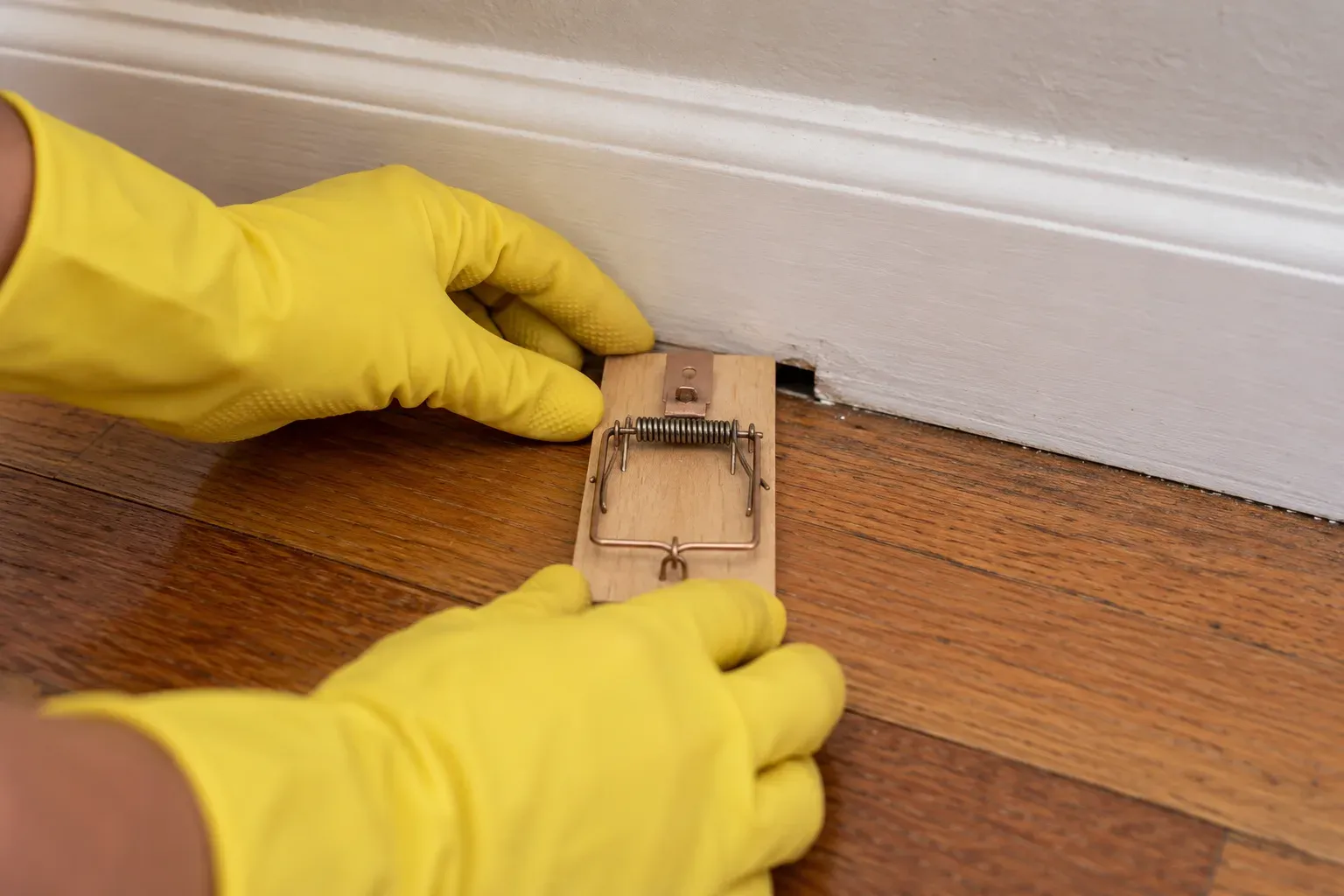
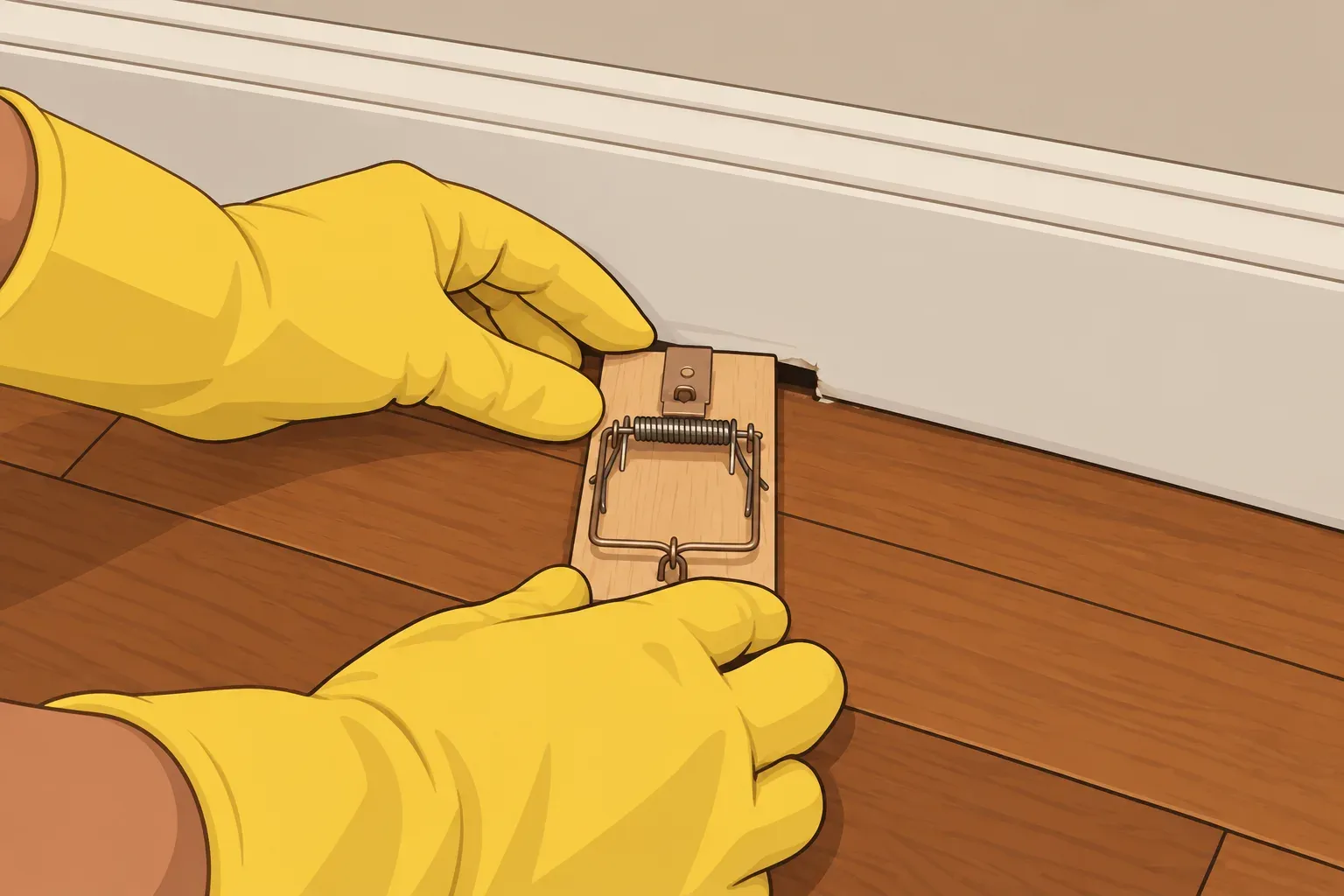
Fix pest problems yourself — safely, and for less.
Pest.gg is a first stop for pest problems at home. Our guides show you what to check, what to try first and when a job is past the point of doing it yourself. They’re based on advice from the CDC and university extension programs.
We don’t sell pest control services, so we have no reason to talk you into hiring one.
Browse the GuidesWho we are
Pest.gg is a small team. We write practical guides for household pest problems — so far mice, rats, pantry moths, pantry beetles & weevils, clothes moths, carpet beetles, cockroaches, silverfish, springtails, flies & gnats, stink bugs and fall invaders, with more pests on the way — to help you work out what’s going on, fix what you safely can yourself, and spend money only where it actually helps.
The company also builds hardware. That story — the founders, the workshop and the partners — is on the Company page.
His is the byline on every guide on the site.
Read more about Enzo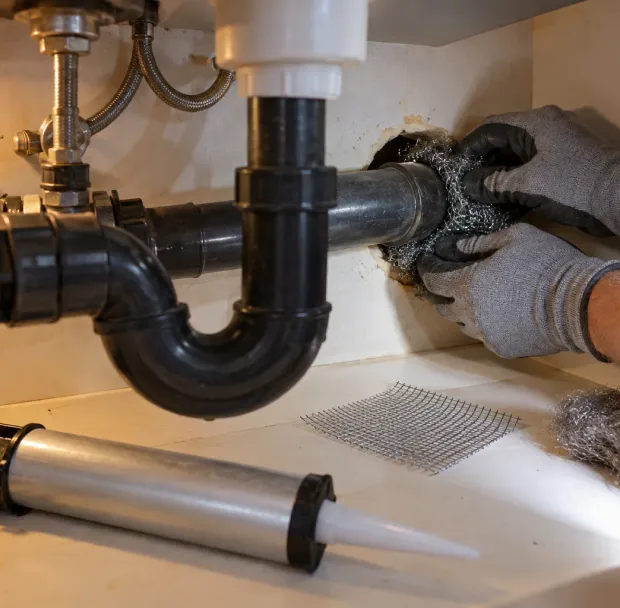
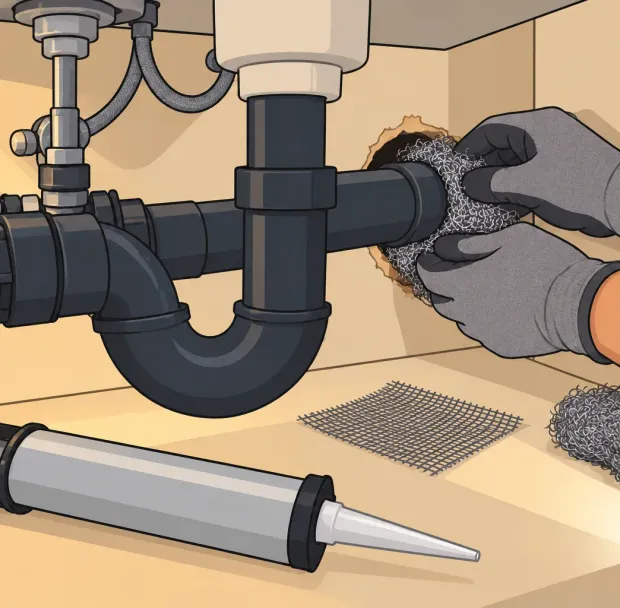
How we write a guide
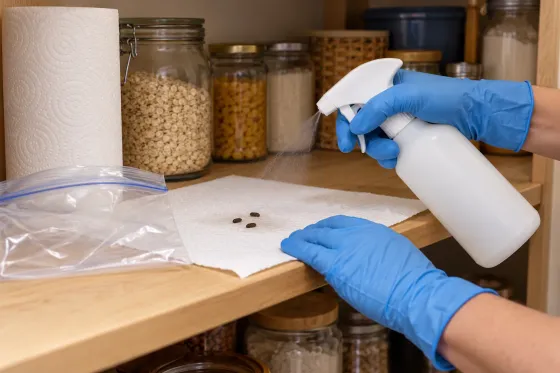
The same four steps go into every guide. The droppings clean-up in our guides, for example, is the CDC’s method, step for step.
- 01
Start from a real question
Each guide begins with something people actually ask when a pest turns up at home — “Can mice climb walls?”, “Do mothballs keep mice away?”, “How do I set a mouse trap?”
- 02
Go to the original guidance
We work from what the CDC, the EPA, the National Pesticide Information Center, UC IPM and university extension programs publish, and link to it in the guide.
- 03
Check every number against its source
Trap spacing, gap sizes, how high a mouse can jump — each figure is checked against the page it came from, so you can follow the link and read it yourself.
- 04
Put the date on it
Every guide shows when it was published, and a “Last updated” date when we revise it.
Where the information comes from
These are the sources our guides cite most. Each guide links to the exact pages it relies on, often in a sources list at the end.
- CDC — Rodent controlSeal up, trap up, clean up: the U.S. public-health baseline for rodents in and around the home.cdc.gov ↗
- UC IPM — University of California Statewide IPM ProgramPest Notes on house mice and rats: signs, trapping, exclusion and what doesn’t work.ipm.ucanr.edu ↗
- ICWDM — Internet Center for Wildlife Damage ManagementSpecies accounts and damage-prevention methods for house mice, Norway rats and roof rats.icwdm.org ↗
- U.S. EPAHow to use rodent bait products safely, and the rules on which ones households can buy.epa.gov ↗
- University of Nebraska–Lincoln ExtensionControlling House Mice (G1105), a practical extension publication for homeowners.extensionpubs.unl.edu ↗
- Cornell NYS IPM ProgramMouse and rat biology and behavior, from Cornell’s New York State Integrated Pest Management program.cals.cornell.edu ↗
- NPIC — National Pesticide Information CenterPlain-language answers on pesticide products and labels, such as whether mothballs belong anywhere near mice.npic.orst.edu ↗
What we don’t do
We don’t sell pest control services.
No technicians, no call-outs, no quotes. When a job needs a professional, that’s your call to make with a local company.
We don’t rank or review our own products in the guides.
Pest.gg is developing a trap of its own. It doesn’t appear in the guides, and it won’t be scored against the traps it competes with.
No affiliate links.
We don’t earn a commission on anything a guide mentions, so there’s no reason to steer you toward buying something.
Corrections
Found something wrong or out of date? Tell us which guide, what it says, and — if you can — the source that says otherwise. We’ll check it, fix the guide and update its date.
Who’s behind Pest.gg: the company.


Dealing with mice or rats?
Start with the guides.
Practical, evidence-based help for finding, trapping and keeping rodents out.
Browse all guides