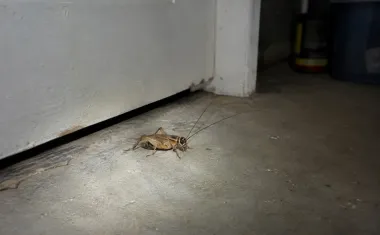
Put sticky traps in corners and behind appliances, dry out the basement, switch outdoor lights to yellow bulbs and seal the gaps crickets use. Tell house crickets from camel crickets first.
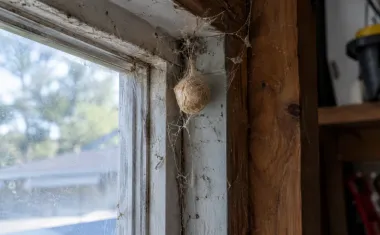
A spider egg sac is a small ball or teardrop of silk, white, cream, tan or brown, about ¼ to ½ inch across, tucked in a web corner. Which spider made it, how many eggs are inside, and how to remove it safely.
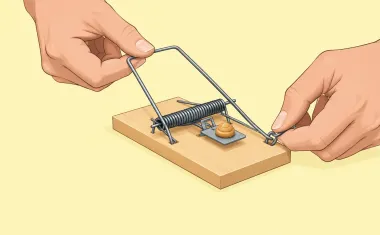
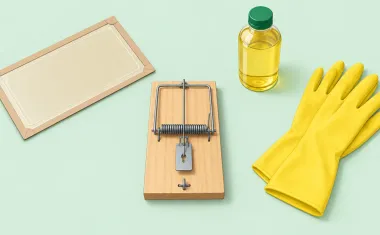
Dab pea-sized peanut butter on the pedal, pull the kill bar back, latch the arm bar and set the trap bait-end against the wall by fresh droppings. Two dozen wooden traps cost about $27.
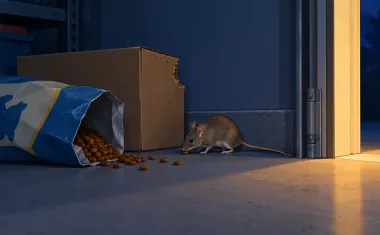
Mice prefer grains and seeds but eat almost anything, only about 1/10 ounce a day, so you can’t starve them out. Store food in glass, metal or thick plastic and trap the rest.
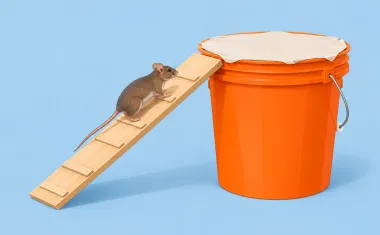
A bucket trap only works if the can spins at a light touch and the bucket is deeper than a mouse can jump. How to build one, why most catch nothing, and why to skip the water.
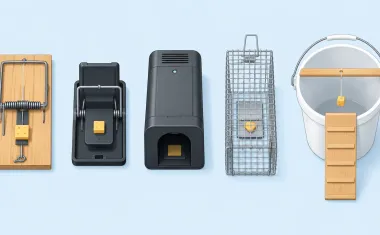
A plain wooden snap trap, about $1 each, is the best mouse trap for most homes. How electronic, live, bucket and glue traps compare, and which to skip.
Vacuum spiders, webs and egg sacs, set sticky traps along the walls, clear clutter and seal the gaps they walk through. Sprays only kill the spider you hit. About $26 in supplies; a pro charges $100–$500.
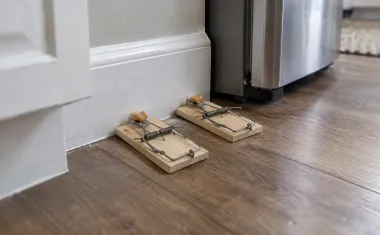
Put mouse traps against the wall, bait end touching it, where you’ve found fresh droppings: behind the fridge and stove, under the sink, along garage and attic walls. Set them in pairs, no more than 10 feet apart.
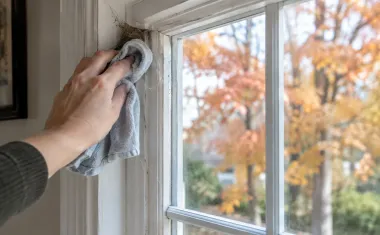
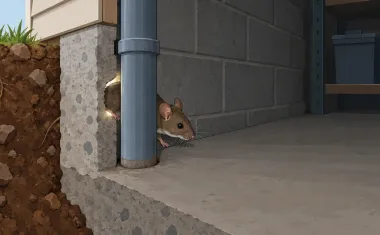
Mice get in through pencil-width gaps (¼ inch) at pipes, doors, vents and the roofline. Seal them with metal mesh plus caulk; a DIY kit runs about $57–71.
Food, warmth, nesting spots and a gap about ¼ inch wide. Sealing food, pet food and garbage, moving bird feeders and woodpiles, and closing gaps costs little or nothing.
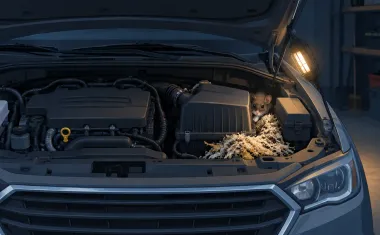
Keep mice out of your car by clearing food and clutter where you park, driving it often and setting snap traps around it ($14–27). Mothballs and ultrasonic gadgets aren’t reliable.