Mice · Identify
7 min read
How Long Do Mice Live? House Mouse Lifespan and Breeding
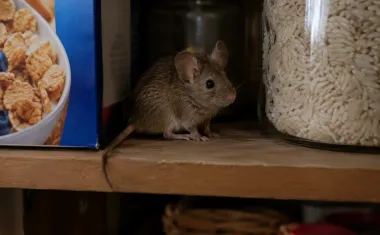
A house mouse usually lives 9 to 12 months, though some reach 3 years. Females have 5 to 10 litters a year, so a mouse problem grows faster than it dies out.
Tag
How to read the signs: droppings, gnaw marks, sounds, smells and tracks, and what each one tells you.
Mice · Identify
A house mouse usually lives 9 to 12 months, though some reach 3 years. Females have 5 to 10 litters a year, so a mouse problem grows faster than it dies out.
Fall invaders · Identify
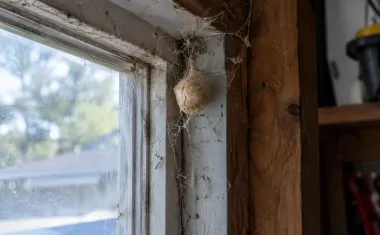
A spider egg sac is a small ball or teardrop of silk, white, cream, tan or brown, about ¼ to ½ inch across, tucked in a web corner. Which spider made it, how many eggs are inside, and how to remove it safely.
Cockroaches · Identify
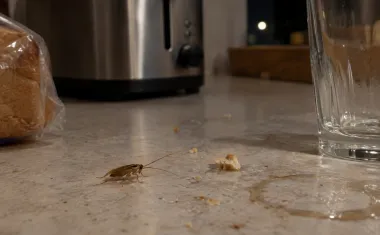
Cockroaches eat almost any organic matter: crumbs, grease, sweets, pet food, paper, glue, hair, even their own droppings. Water matters more than food. Here is what to clear away first.
Rats & mice · Identify
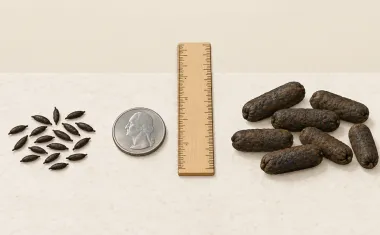
Rat droppings are about ½ to ¾ inch long; mouse droppings average ¼ inch. How to tell them apart by size, shape and location, how to tell fresh from old, and what to do next.
Carpet beetles · Identify
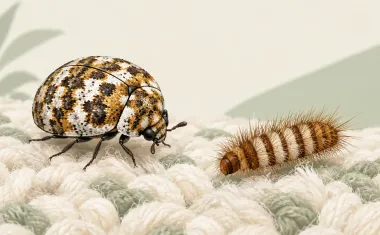
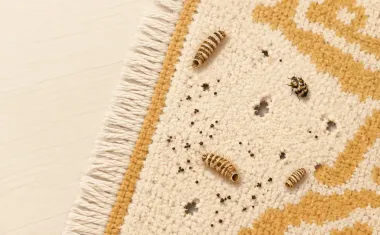
A carpet beetle is a tiny round beetle, 1/16 to 3/16 inch, often on windowsills. Hairy larvae or bristly skins mean they’re breeding indoors. Flat and reddish? Likely a bed bug.
Clothes moths & pantry moths · Identify
Pantry moths are about twice as long, gray and copper, and fly around the kitchen. Clothes moths are tiny, plain gold and hide near wool. Each lure attracts only its own kind, so buy one $10 pack of the right trap.
Carpet beetles · Identify
Bristly shed skins, salt-grain poop and chewed patches in wool mean larvae are feeding indoors. A few adults on a windowsill don’t. Check with a flashlight, tape and $8 of sticky traps.