Where Do Bed Bugs Come From? How They Get Into Your Home
Bed bugs come from other infested places. They’re hitchhikers that ride into homes on luggage, clothing, beds, furniture and other belongings, or crawl over from a neighboring unit through cracks in walls, floors and ceilings (University of Kentucky). They don’t come from dirt. They feed only on blood, so a spotless home can get them as easily as a messy one.
Difficulty: easy. Call a pro if you find live bed bugs, eggs, shed skins or dark spots. Bed bugs usually take a licensed professional and several visits; if you rent, tell your landlord in writing first.
It takes the right bug to start an infestation: NPIC says a male or a young bed bug won’t, but one pregnant female can. Below are the usual ways bed bugs get in, why they seem to appear out of nowhere and how to lower the risk.
How Bed Bugs Get Into a Home
- Travel. People pick them up in hotels and during other overnight stays (UC IPM). The University of Kentucky says the constant turnover of guests and tenants makes hotels and apartments a particular problem.
- Luggage, bags and clothes. Bed bugs hide in the cracks and seams of luggage, clothing, pillows, boxes and other things brought into the home (NPIC), and can come in on shoes too (University of Kentucky).
- Used beds and furniture. Secondhand beds and furniture are another common way in (University of Kentucky).
- Neighbors. In apartments and other shared buildings, bed bugs crawl from unit to unit and floor to floor through cracks and openings (University of Kentucky, NPIC). NPIC says sharing walls raises your risk, and that large infestations or pesticide treatments can push bed bugs into neighboring apartments.
- Visitors and their belongings. Bed bugs travel through buildings on people and the things they carry (University of Kentucky).
- Public places. NPIC lists buses, subways, taxis, movie theaters and libraries. The EPA says offices and classrooms rarely become infested themselves, but can act as transfer points where bed bugs hitch a ride home.
UC IPM says hotels, homeless shelters, furnished apartments and dormitories are the places most at risk of infestation.
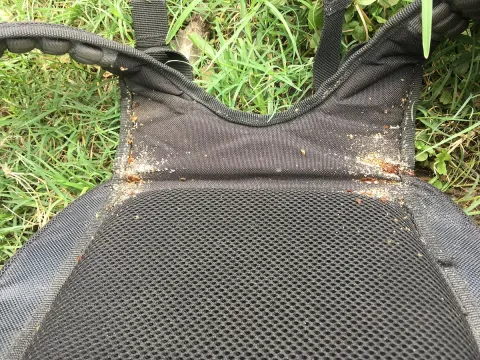 Under a bag strapBugs and eggs in an unused bag.
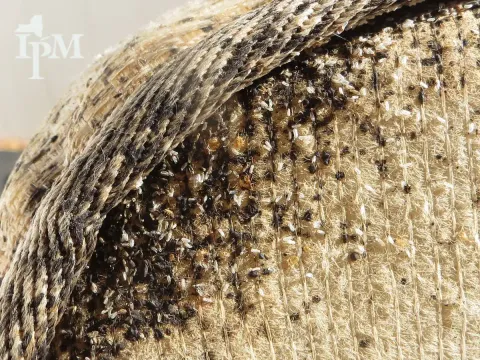 In a mattress seamWhy used beds are a risk.
Why They Seem to Appear Out of Nowhere
- They hide well. Bed bugs are small and agile and crawl into concealed spots (University of Kentucky).
- They wait. Bed bugs can go months without feeding, so they may already be in a vacant, clean home when new tenants unpack (NPIC).
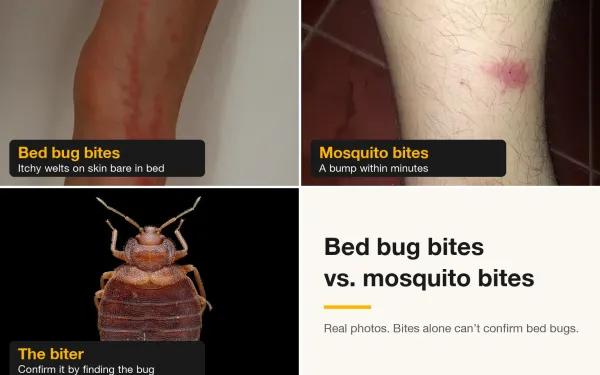
- The bites fool people. The welts are often blamed on mosquitoes, so an infestation can go unnoticed until it’s large (University of Kentucky). See bed bug bites.
- Some people never react to the bites (University of Kentucky).
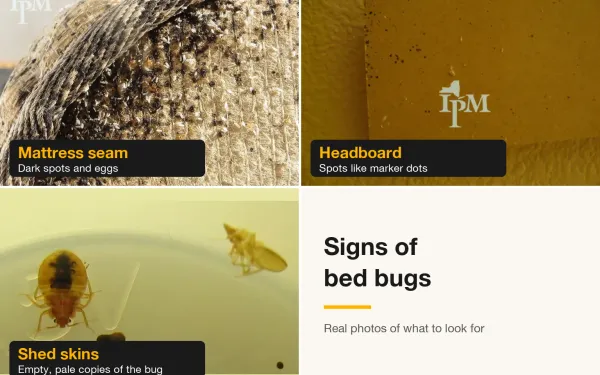
A single bed bug isn’t an infestation (EPA). What matters is whether they’re breeding, which shows up as eggs, shed skins and dark spots; signs of bed bugs shows each one.
Do Bed Bugs Mean a Dirty Home?
No. The University of Kentucky says that, unlike cockroaches and flies that feed on filth, bed bugs often have no relationship to cleanliness, and pristine homes are as vulnerable as squalid ones. NPIC agrees, with one caveat: clutter gives bed bugs more places to hide and makes them harder to control.
UC IPM notes that bed bugs were once linked mainly with crowded, run-down housing, but now turn up even in the finest hotels.
Could They Be Coming From Bats or Birds?
Sometimes. A few close relatives of the bed bug normally feed on bats or birds, such as swallows and chimney swifts, and may bite people, especially once the bats or birds are gone (University of Kentucky). They look almost the same, so an entomologist or pest professional has to tell them apart. If they’re bat bugs or bird bugs, the fix is the roost or nest, not the bed. More in bugs that look like bed bugs.
Why Bed Bugs Are More Common Now
The EPA says experts link the rise in bed bugs in the United States to:
- more travel;
- not knowing how to prevent infestations;
- bed bugs becoming more resistant to pesticides;
- pest control that doesn’t work.
How to Keep Them From Coming Home
From the EPA and NPIC:
- In hotels, check the luggage rack for bed bugs (EPA).
- Before bringing home a used bed or couch, check it for signs of bed bugs (EPA).
- At a shared laundry, carry clothes in plastic bags, and move them from the dryer straight into a bag; fold them at home (EPA).
- In an apartment, door sweeps and sealed cracks around baseboards discourage bed bugs from moving between units (EPA).
- After visiting a place that may have bed bugs, check your clothing, bags and coat (NPIC).
Found Signs? What to Do Next
Confirm what you found with what do bed bugs look like or identify it from a photo, then follow how to get rid of bed bugs. The EPA says a small infestation is far cheaper and easier to treat than one that has spread.
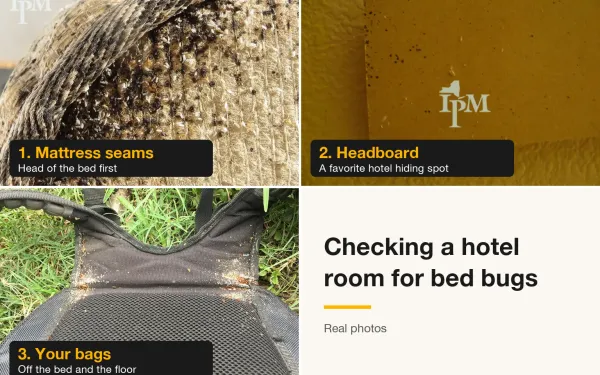
More on bed bugs: bed bug eggs, checking a hotel room, preventing bed bugs and the bed bug Library page.
Common questions
Yes. Clothing is one of the things bed bugs ride in on, along with luggage, furniture, pillows and boxes (NPIC, University of Kentucky).
Only a pregnant female. NPIC says a male or an immature bed bug won’t start one, but one pregnant female can quickly reproduce. The EPA says a single bed bug isn’t an infestation.
Yes. They can survive for months without feeding, so they may be present in a vacant home when new tenants move in (NPIC).
Sources and further reading · 8
- University of Kentucky: Bed Bugs (EF636): how bed bugs are carried in, hotels and apartments, used furniture, spread between units, cleanliness, bat and bird bugs, bites blamed on mosquitoes.
- NPIC: Bed Bugs: how bed bugs enter homes, pregnant females, vacant homes, public places, shared walls, cleanliness and clutter, checking clothing and bags.
- UC IPM: Bed Bugs: travel, places most at risk, the resurgence in hotels.
- EPA: Introduction to Bed Bugs: why bed bugs have increased.
- EPA: Protecting Your Home from Bed Bugs: luggage racks, used furniture, shared laundry, apartments.
- EPA: Protecting Yourself from Bed Bugs in Public Places: offices and schools as transfer points, a single bug isn’t an infestation.
- EPA: How to Find Bed Bugs: early infestations are cheaper and easier to treat.
- Cover photos: backpack by Ventriloquist (CC BY-SA 4.0); mattress seam by NY State IPM Program at Cornell University (CC BY 2.0); adult bed bug by Gilles San Martin (CC BY-SA 2.0); via Wikimedia Commons.