Pest guide
Bed Bugs: Identify, Get Rid of and Prevent Them
Confirm bed bugs from the bugs and the signs they leave, not from bites, then check the bed, treat it step by step and keep them from riding home again.
11 guides · Updated Nov 23, 2026
Bed bugs overview
How to identify bed bugs
Adults are flat, oval, reddish brown and about the size of an apple seed, 3/16 to 1/4 inch (EPA). Young bed bugs are smaller and pale, and the eggs are pinhead-size and pearl white. They leave dark spots of droppings that bleed into fabric like a marker, rusty stains and pale shed skins (EPA). Bites can’t confirm them: UC IPM says skin reactions should never be used to diagnose bed bugs. Real photos of each stage are in what do bed bugs look like.
Why they’re in your home
Bed bugs are hitchhikers. They ride in on luggage, clothing, beds, furniture and other belongings, and in apartments they crawl between units through cracks in walls, floors and ceilings (University of Kentucky). Secondhand beds and furniture are another common way in. They feed only on blood, so a clean home can get them as easily as a dirty one. More in where do bed bugs come from.
Where to start
Check the bed first: UC IPM says about 85% of bed bugs are found in or near it. Signs of bed bugs walks through the check, and bed bug eggs and bugs that look like bed bugs help you rule out look-alikes. Bitten but haven’t found anything? See bed bug bites. Once you’ve confirmed them, follow how to get rid of bed bugs.
How to keep them out
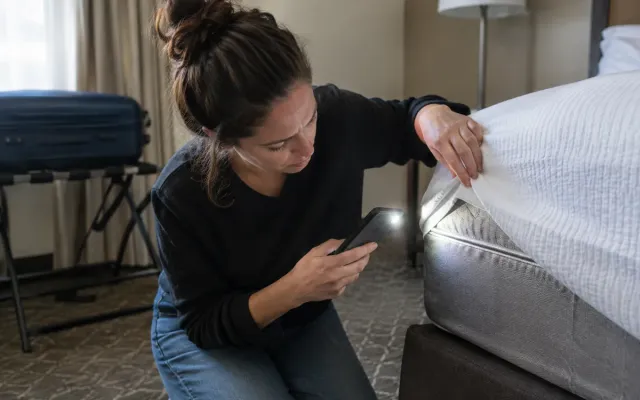
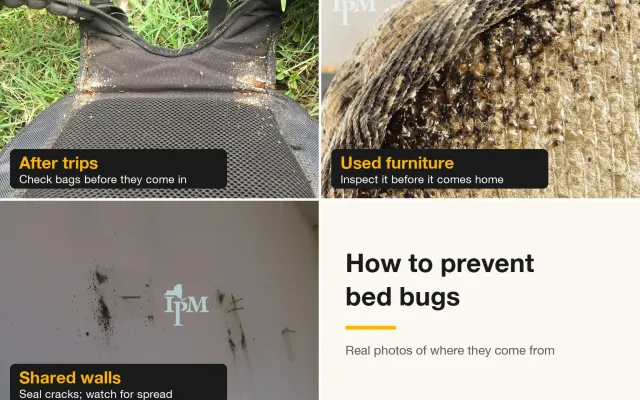
Most prevention happens at the door. After a trip, check your luggage before it comes inside and dry your clothes on a hot setting for 30 minutes (NPIC). Inspect used furniture before bringing it home. In hotels, check the bed before you unpack and keep your bags off the bed and floor; how to check a hotel room walks through it. Don’t spray pesticides as a precaution: NPIC says modern products usually have to hit the bugs to work. More in how to prevent bed bugs.
When to call a pro
Call a pro if you keep finding live bed bugs or fresh spots after repeating the steps in the guide, or the bugs have spread beyond the bed. UC IPM says confirmed infestations should be managed by trained professionals. If you rent, tell your landlord in writing first.
Sources: EPA: Bed Bugs Appearance and Life Cycle; EPA: How to Find Bed Bugs; UC IPM: Bed Bugs; University of Kentucky: Bed Bugs (EF636); NPIC: Bed Bugs
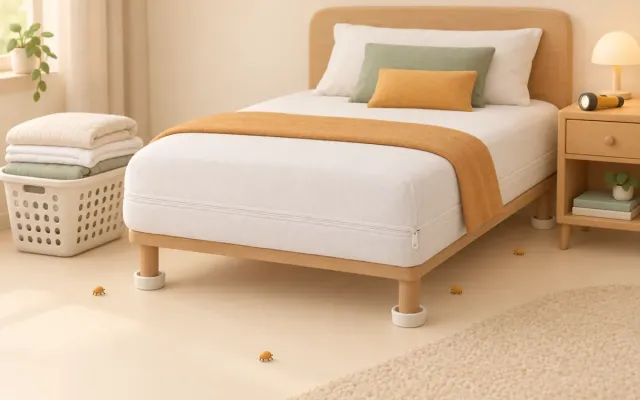
Identify
7 guidesWork out what you’re dealing with from droppings, damage and sightings.
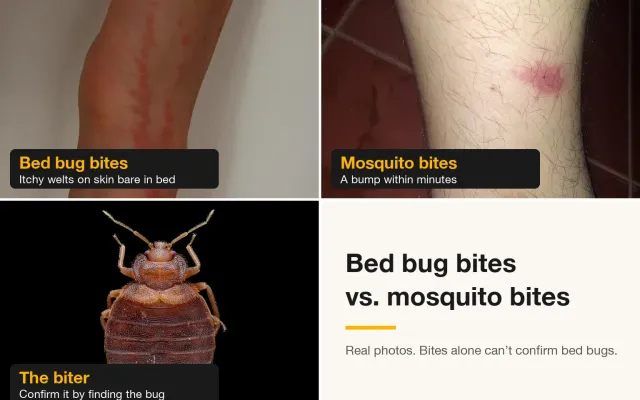
Bed Bug Bites: What They Look Like and How to Tell
Bed bug bites are itchy red welts on skin left bare in bed, and they often show up a day or more later. Real photos, how they differ from mosquito bites, what helps the itch, when to get help and how to confirm it’s bed bugs.
Updated Nov 23, 2026 · 6 min read
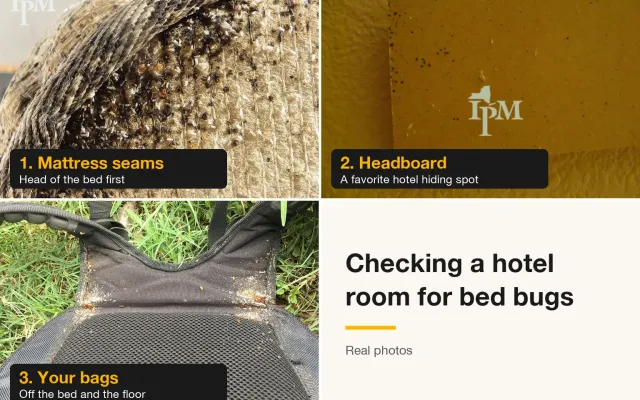
How to Check for Bed Bugs in a Hotel Room
Check the bed before you unpack: pull back the sheets and look along the mattress seams, especially at the head of the bed. Where to keep your luggage, what to do if you find bed bugs and how to keep them out of your home when you get back.
Updated Nov 23, 2026 · 5 min read
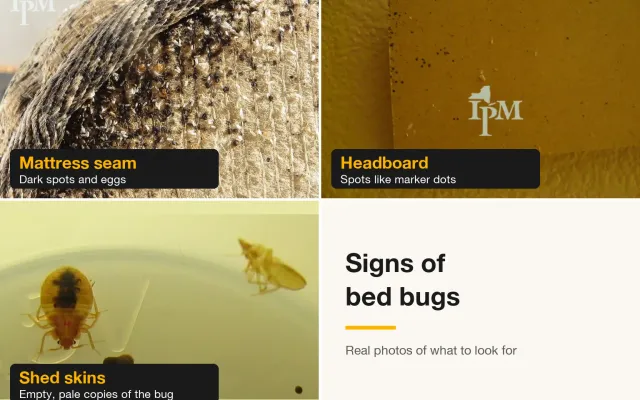
Signs of Bed Bugs: What to Look For and How to Check
The signs that prove bed bugs are dark spots of droppings, rusty stains, tiny eggs, shed skins and the bugs themselves, mostly in and around the bed. Real photos of each sign and a step-by-step check of the bed, the furniture and the room.
Updated Nov 23, 2026 · 6 min read
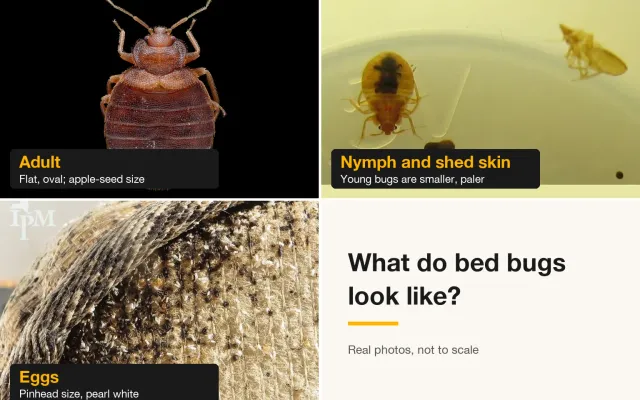
What Do Bed Bugs Look Like? Adults, Nymphs and Eggs
An adult bed bug is flat, oval, reddish brown and about the size of an apple seed. Nymphs are smaller and pale, and eggs are pinhead-size white specks. Real photos of each stage, the signs they leave and the bugs people mistake for them.
Updated Nov 23, 2026 · 7 min read
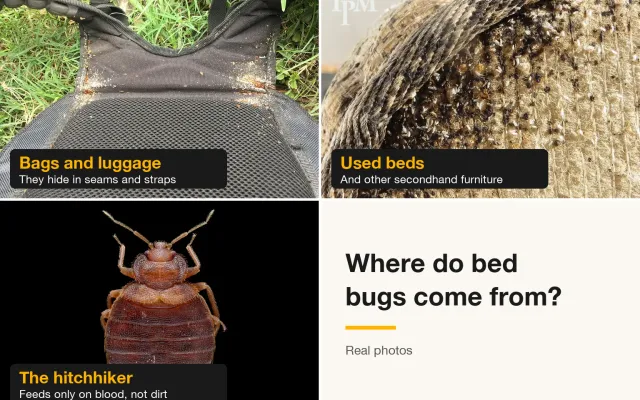
Where Do Bed Bugs Come From? How They Get Into Your Home
Bed bugs come from other infested places. They ride in on luggage, clothing, used furniture and other belongings, or crawl over from a neighbor’s unit, and they have nothing to do with dirt. The usual routes, why they seem to appear from nowhere and how to cut the risk.
Updated Nov 23, 2026 · 6 min read
Bed Bug Eggs: What They Look Like and Where to Find Them
Bed bug eggs are about 1 mm, pearl white and glued in place, usually in clusters along mattress seams. They’re easy to miss and easy to confuse with lint. Here’s how to find them and what kills them.
Updated Nov 21, 2026 · 7 min read

Bugs That Look Like Bed Bugs (and How to Tell for Sure)
Carpet beetles, bat bugs, baby roaches and ticks all get mistaken for bed bugs. A wrong guess can cost hundreds in treatment. Three checks tell most of them apart.
Updated Oct 21, 2026 · 8 min read
Prevention & Sealing
1 guideClose the way in and take away food and shelter.
Carpet beetle guides that also cover bed bugs
2 guidesWritten mainly about carpet beetles, with advice that applies to bed bugs too.
Identify
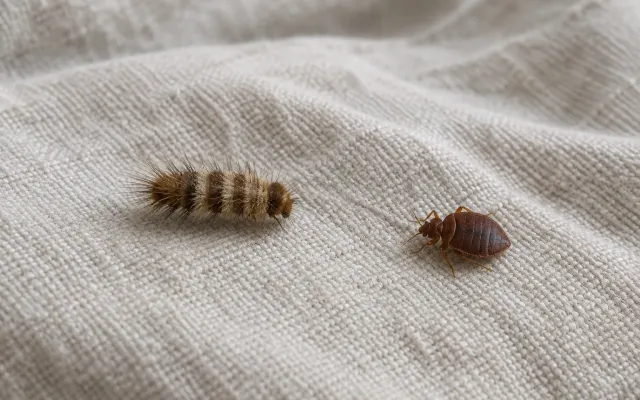
Carpet Beetle vs Bed Bug: How to Tell Them Apart
Hairy, or round like a tiny ladybug? Carpet beetle: it eats wool, not you. A flat, reddish-brown oval the size of an apple seed, or dark seam spots, means bed bugs.
Updated Nov 23, 2026 · 9 min read
Get Rid of Pests
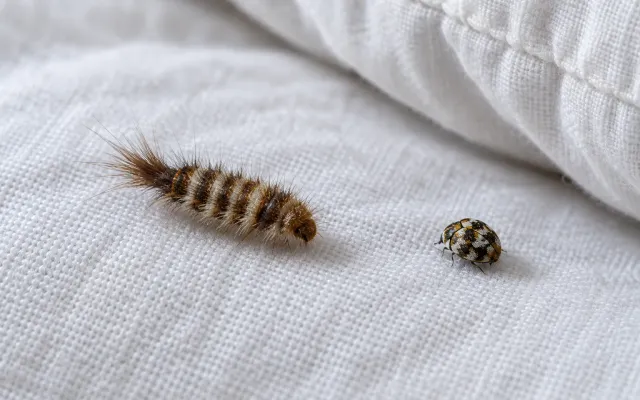
Carpet Beetles in Bed or Mattress? What to Do About It
Usually larvae wandering in from lint or wool nearby, not a mattress infestation, and they don’t bite. Hot-wash bedding and vacuum under the bed; traps cost under $8.
Updated Oct 5, 2026 · 8 min read
Identify the species
Pictures, size and look-alikes in the Pest Library.
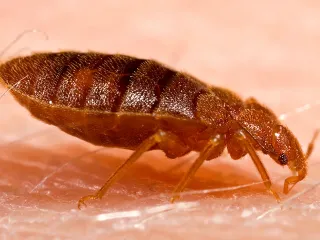
Not a bed bug?
Guides for other pests.

Bed bug questions
Can you see bed bugs with the naked eye?
Yes. Adults and groups of young bed bugs are visible without a magnifier, but the eggs need one (UC IPM). A young bed bug that hasn’t fed is hard to see because it’s tiny and nearly clear (EPA).
Do bed bugs spread disease?
UC IPM says bed bugs have never been shown to transmit human disease. The harm is the itching and swelling from bites, plus lost sleep and anxiety (University of Kentucky).
See Bed bug bites.
Do bed bugs mean my home is dirty?
No. They feed only on blood, and the University of Kentucky says clean homes are as vulnerable as dirty ones. Clutter does give them more places to hide and makes them harder to control (NPIC).