Signs of Bed Bugs: What to Look For and How to Check
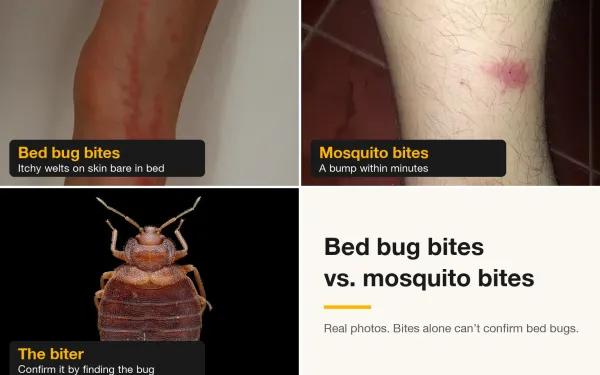
The signs that prove bed bugs are things you can find: dark spots of droppings, rusty stains on sheets, tiny pale eggs and eggshells, shed skins and the live bugs (EPA). Bites aren’t proof. The EPA calls them a poor indicator, since they look like other bites and rashes and some people don’t react at all.
Difficulty: easy. Call a pro if you find live bed bugs, eggs, shed skins or dark spots. Bed bugs usually take a licensed professional and several visits; if you rent, tell your landlord in writing first.
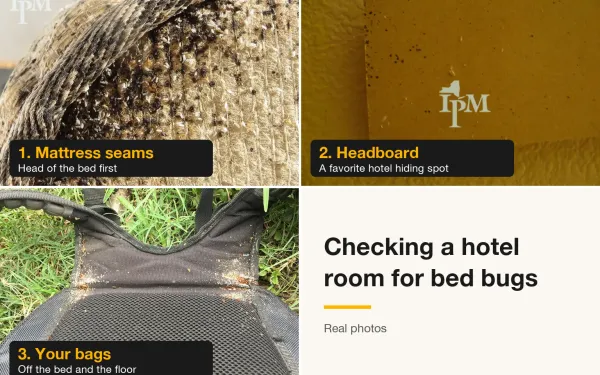
UC IPM says about 85% of bed bugs are found in or near the bed, so start there. Below are real photos of each sign, how to check the bed step by step, where else to look and what to do if you find them.
The Signs of Bed Bugs
- Dark spots: droppings about the size of a printed dot (•) that can bleed into fabric like a marker (EPA). They collect along mattress seams and wherever the bugs rest (University of Kentucky).
- Rusty or reddish stains on sheets or the mattress, from bugs crushed after feeding (EPA).
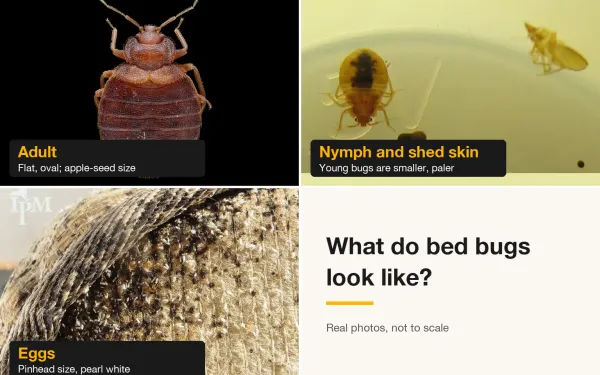
- Eggs and eggshells: about 1 mm and pale (EPA), glued in seams and cracks. Photos: bed bug eggs.
- Shed skins: light-colored (UC IPM), like empty bed bug bodies (NPIC). Young bed bugs shed five times as they grow (University of Kentucky).
- Live bugs: flat, oval, reddish brown and about the size of an apple seed (EPA). Photos of every stage: what do bed bugs look like.
- A smell, in heavy infestations: UC IPM describes a foul or “buggy” odor.
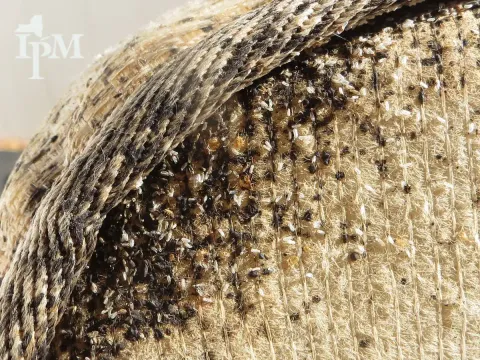 Mattress seamDark spots, eggs and bugs.
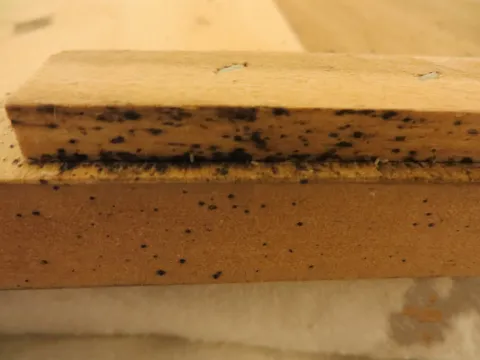 Bed frameBlack dots along the wood.
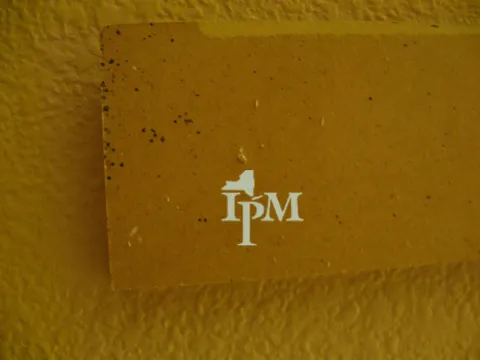 HeadboardSpots where the bugs rest.
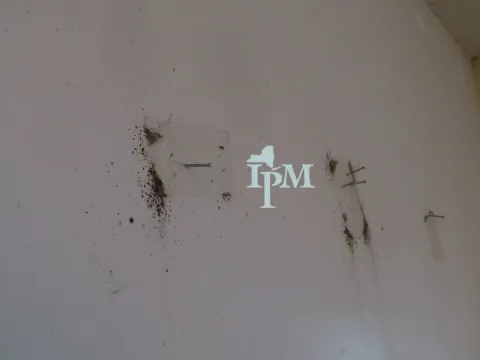 WallBigger infestations spread out.
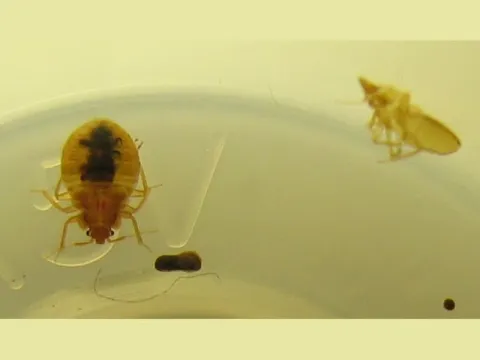 Shed skinAn empty, pale copy of the bug.
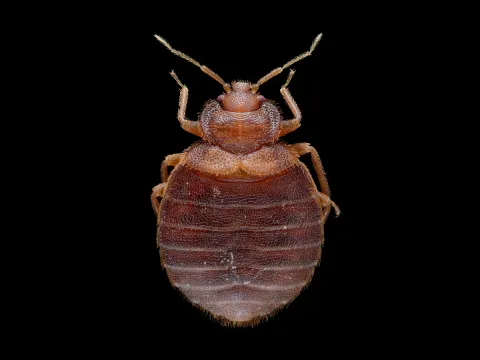 BitesLive bugApple-seed size.
How to Check the Bed, Step by Step
You need a flashlight and a magnifier (UC IPM).
- Strip the bed and look at the sheets for dark spots and rusty stains (EPA).
- Check the mattress: the piping, seams and tags (EPA). The University of Kentucky says a thorough check means standing the mattress and box spring on edge so you can see the upper and lower seams.
- Check the box spring, especially the upper seams and underneath, where it rests on the frame. If it has a dust cover underneath, you may need to remove it to see inside (University of Kentucky).
- Check the bed frame: cracks, screw holes, and the ends of wooden support boards where they rest on the frame. Bed bugs prefer wood and fabric to metal and plastic (University of Kentucky).
- Check the headboard. If it’s fixed to the wall, take it down: in hotels, the area behind the headboard is often where bed bugs settle first (University of Kentucky).
- Check what’s stored under the bed (University of Kentucky).
Where Else to Look
Early on, bed bugs stay mostly in the bed; as numbers grow, they spread out (University of Kentucky). Next, check:
- Couches, recliners and upholstered chairs: seams, skirts and folds, especially if someone sleeps there (University of Kentucky).
- Nightstands and dressers: empty them and tip them over to check the wood underneath (University of Kentucky).
- Along the edge of carpet behind beds and sofas, and along baseboards (University of Kentucky).
- Behind outlets, switch plates and pictures, under loose wallpaper and where the wall meets the ceiling (University of Kentucky, EPA).
- Curtain folds and drawer joints in heavier infestations (EPA).
The EPA’s rule of thumb: bed bugs are about as thin as a credit card, so any crack that would hold a credit card could hide one.
Catch the Ones You Can’t See
Bed bugs hide well, and a visual check alone sometimes misses them (University of Kentucky). Interceptors help: small plastic cups that go under each leg of the bed and catch bugs on their way to you. UC IPM cites research where interceptors caught six times more bed bugs than people found by searching. Setup is in how to get rid of bed bugs.
What Isn’t a Sign
- Bites on their own. They can’t confirm bed bugs; see bed bug bites for how they compare with other bites.
- A different bug. The EPA warns that carpet beetles and other insects are easy to mistake for bed bugs. See carpet beetle vs. bed bug and bugs that look like bed bugs, or identify it from a photo.
Found Signs? What to Do Next
- Confirm it. The University of Kentucky says confirming bed bugs often takes a professional, especially early on.
- Find the extent. Check nearby furniture and rooms; a small infestation is cheaper and easier to treat than a large one (EPA).
- Start treatment. How to get rid of bed bugs walks through each step and when to call a pro.
More on bed bugs: where bed bugs come from, checking a hotel room, preventing bed bugs and the bed bug Library page.
Common questions
Usually small dark spots along the mattress seams, and sometimes a shed skin or a live bug. In the early stages, bed bugs stay mostly in the bed (University of Kentucky), which makes the seams the best place to look.
Yes. They hide in cracks during the day, and a visual check sometimes misses them (University of Kentucky). That’s why interceptors under the bed legs help: in research cited by UC IPM, they caught six times more bugs than searching did.
In heavy infestations, yes. UC IPM describes a foul or “buggy” smell, and the EPA says the bugs make a musty-sweetish odor.
Sources and further reading · 7
- EPA: How to Find Bed Bugs: the physical signs, where bed bugs hide, the credit-card rule, bites as a poor indicator, look-alikes.
- EPA: Bed Bugs Appearance and Life Cycle: size, smell.
- UC IPM: Bed Bugs: 85% in or near the bed, flashlight and magnifier, shed skins, smell, interceptors.
- University of Kentucky: Bed Bugs (EF636): how to inspect the bed, furniture and room, confirmation, early vs. large infestations.
- University of Kentucky: Mystery Bites (EF649): visual checks can miss bed bugs; dish traps under furniture legs.
- NPIC: Bed Bugs: shed skins.
- Cover photos: mattress seam by NY State IPM Program at Cornell University (CC BY 2.0); headboard by NY State IPM Program at Cornell University (CC BY 2.0); nymph and shed skin by Verslinykas (CC BY-SA 3.0); via Wikimedia Commons.