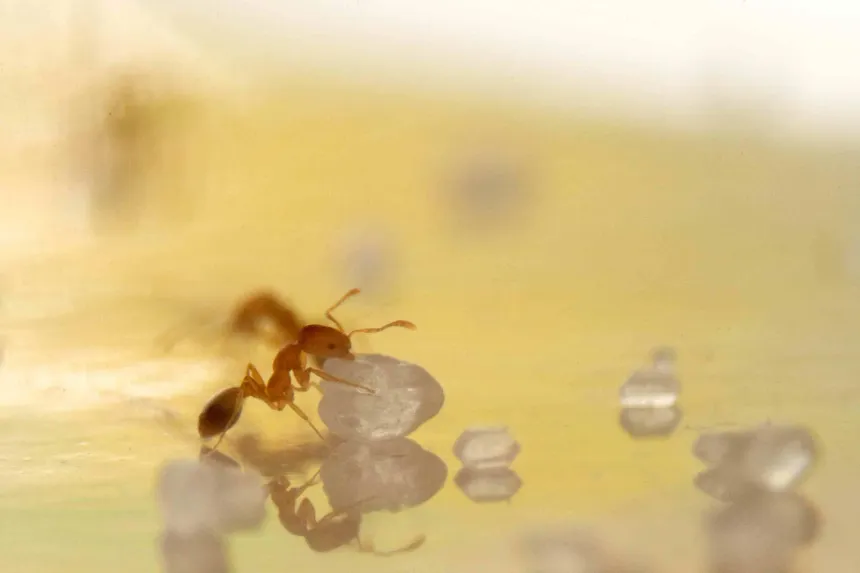
- Scientific name
- Monomorium pharaonis
- Also called
- sugar ant
- Size
- About 1/16 in
- Color
- Pale yellow to light brown, darker tip of the abdomen
- Found in
- Wall voids, behind baseboards, near appliances and hot pipes
- Harmful?
- Contaminates food; a real problem in hospitals
- Active
- Year-round indoors
- Pro quotes
- $250–$500
The pharaoh ant is a tiny, pale ant that lives indoors year-round in heated buildings. Colonies have many queens and split easily, so one infestation can spread through a whole apartment block, and spraying makes it worse. The one thing to do: use slow-acting baits along the trails and skip the spray.
This page covers how to identify pharaoh ants, tell them from other small ants and why sprays backfire. It rests on University of Kentucky and UC IPM guidance.
How to Identify a Pharaoh Ant: Tiny and Pale
- Very small: about 1/16 inch, hard to see on a light counter.
- Pale yellow to light brown, with a slightly darker abdomen.
- Steady trails along baseboards, counters and pipes, often into bathrooms and kitchens.
Pharaoh Ant vs. Look-Alikes: Color and Where It Nests
| Ant | How it differs | How to tell |
|---|---|---|
| Pharaoh ant | Tiny, pale yellowish | Nests inside warm walls, even in winter |
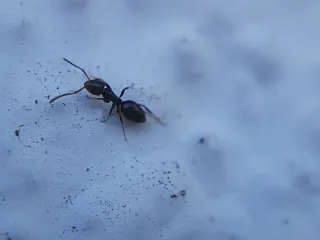
| Odorous house ant | Darker brown to black | Rotten-coconut smell when crushed |
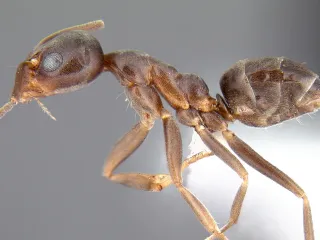
| Argentine ant | Light to dark brown | Huge trails from outdoor nests |
| Thief ant | Also tiny and pale | Hard to tell apart without magnification; both take protein or grease baits, so treat them the same way (UC IPM) |
Where You’ll Find Them: Warm Spots Indoors
- Wall voids and behind baseboards near heat and water
- Around sinks, dishwashers and refrigerators
- In stacks of paper, between sheets, inside furniture and electronics
UC IPM calls the pharaoh ant the primary ant that nests indoors in California, and the University of Kentucky lists it among the common house-invading ants in the Midwest.
Are Pharaoh Ants Harmful? Mainly a Nuisance at Home
At home they’re mainly a nuisance that gets into food. In hospitals and care homes they’re a known risk because they can carry bacteria onto wounds and equipment.
Why Spraying Makes It Worse: Budding
Repellent sprays and cleaners kill the ants you see but make the colony split into several new colonies, a process called budding. The infestation spreads to new rooms.
How to Confirm It’s Pharaoh Ants
- Look closely: tiny, pale ants, not dark brown or black.
- Follow the trail to a wall void, outlet or baseboard near warmth or water.
- Note the season: active indoors through winter, unlike most ants.
What to Do: Bait, Don’t Spray
Place slow-acting baits along the trails and leave them in place until feeding stops, so workers carry the bait back to the queens. UC IPM says pharaoh ants prefer protein or greasy baits year-round, so try one if a sweet bait is ignored. Don’t spray at the same time. In apartment buildings, every unit needs to be treated together. For other pests, browse all pest guides.
Often confused with
Sources
Last reviewed Oct 5, 2026.