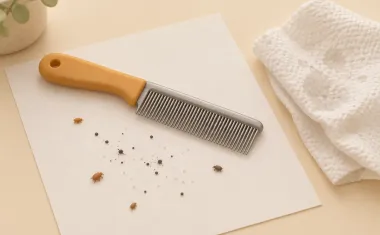
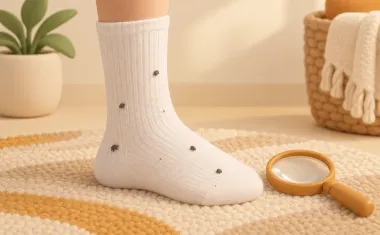
An adult flea is reddish brown, no longer than 1/8 inch and flat from side to side. You’re more likely to spot its eggs and droppings first. Here’s what each one looks like, and a 30-second test for flea dirt.
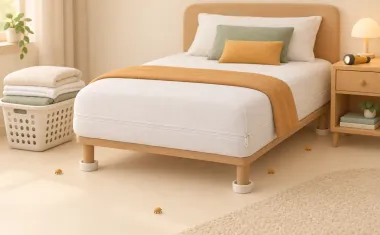
Spraying alone won’t do it. The six steps university entomologists and EPA recommend, from confirming bed bugs to knowing they’re gone, and the point where it’s time to call a pro.
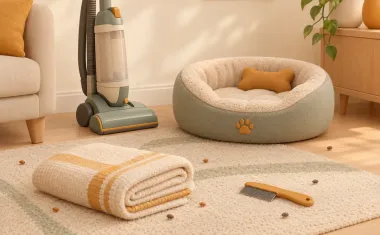
Treating the pet is only half the job. Here’s the five-step plan university entomologists recommend, why fleas keep turning up for weeks after you treat, and which popular fixes don’t work.
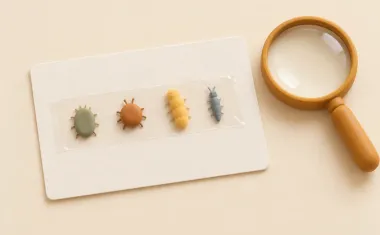
Carpet beetles, bat bugs, baby roaches and ticks all get mistaken for bed bugs. A wrong guess can cost hundreds in treatment. Three checks tell most of them apart.
Tiny dark bugs that jump are not always fleas. Springtails and flea beetles jump too, and several bugs that don’t jump get mistaken for them. One question sorts most of them.
Usually larvae wandering in from lint or wool nearby, not a mattress infestation, and they don’t bite. Hot-wash bedding and vacuum under the bed; traps cost under $8.
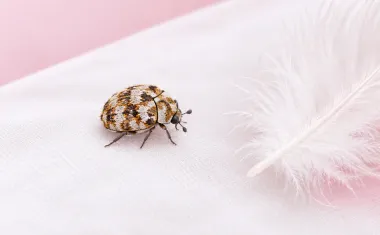
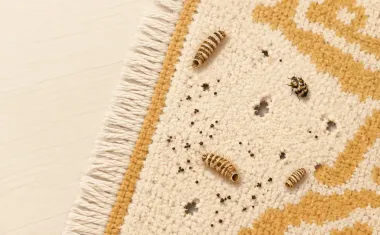
Bristly shed skins, salt-grain poop and chewed patches in wool mean larvae are feeding indoors. A few adults on a windowsill don’t. Check with a flashlight, tape and $8 of sticky traps.