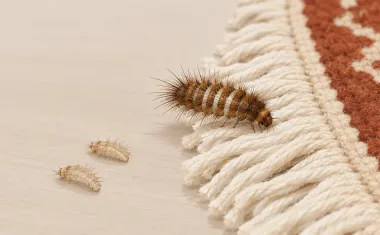
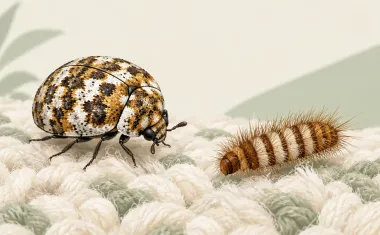
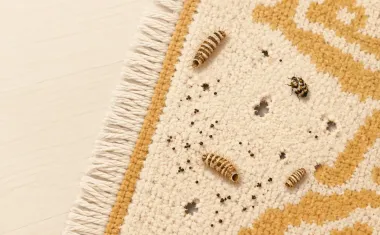
Carpet beetle larvae are fuzzy, slow, tan-to-brown grubs about 1/8 to 1/4 inch long, and they’re the stage that eats wool. Vacuum where they feed, then hot-wash or freeze what they touched.
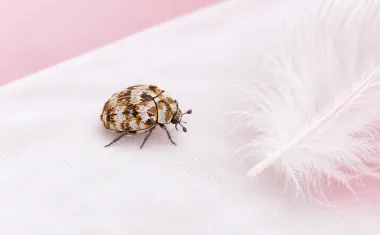
A carpet beetle is a tiny round beetle, 1/16 to 3/16 inch, often on windowsills. Hairy larvae or bristly skins mean they’re breeding indoors. Flat and reddish? Likely a bed bug.
Carpet beetles on the windowsill or larvae in a closet? Find where the larvae feed, vacuum, hot-wash or freeze what they touched, and spray only the cracks you can’t clean.
Usually larvae wandering in from lint or wool nearby, not a mattress infestation, and they don’t bite. Hot-wash bedding and vacuum under the bed; traps cost under $8.
Pantry moths are about twice as long, gray and copper, and fly around the kitchen. Clothes moths are tiny, plain gold and hide near wool. Each lure attracts only its own kind, so buy one $10 pack of the right trap.
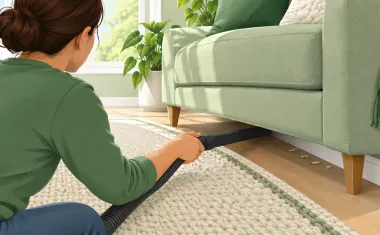
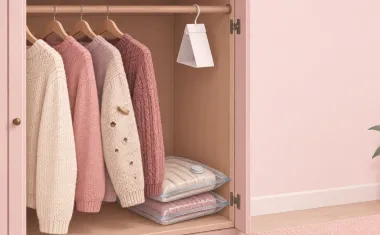
Find the infested wool, wash it hot or freeze it, vacuum the closet and rug edges, store woolens sealed. About $11 in traps confirms it worked; no mothballs.
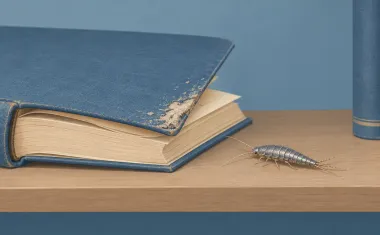
No. Silverfish don’t bite, sting or spread disease. They graze books, paper and starched clothes; sealed bins, drier air and a week in the freezer protect them free.
Bristly shed skins, salt-grain poop and chewed patches in wool mean larvae are feeding indoors. A few adults on a windowsill don’t. Check with a flashlight, tape and $8 of sticky traps.