How to Get Rid of Stink Bugs in Your House for Good

Illustration: a cut-off plastic bottle with an inch of soapy water held under a stink bug on the window trim.
How to get rid of stink bugs: knock the ones indoors into a jar of soapy water or vacuum them up, and seal the cracks around window frames, doors and siding to keep more from getting in. A lamp over a pan of soapy water catches the hidden ones overnight. Skip indoor sprays and bug bombs.
Cost: about $11–16 in supplies. Difficulty: moderate. Call a pro if the gaps they use are high on the house or under siding you can’t reach safely from the ground, or hundreds keep pouring out of an attic or wall void every warm day.
This page covers how to identify them, why they come in, the three steps (soapy water, a lamp trap, sealing), sprays, why they keep coming back and the roughly $11–16 in supplies. We haven’t tested these methods ourselves; this rests on NPIC and university extension guidance (UC IPM, Maryland, Michigan State, NC State, Iowa State), a Virginia Tech trap study and store list prices.
Saw a stink bug tonight? Don’t squash it. Hold a cup or cut-off bottle with an inch of soapy water under it and tap it in; it drops when disturbed and drowns. Then turn off lights near open, screened windows.
What Works and What Doesn’t Against Stink Bugs
Soapy water, a lamp trap and caulk do the work; indoor sprays, crushing and store-bought traps fall short.
| Method | Works? | Cost | Main limitation |
|---|---|---|---|
| Container of soapy water | Yes | Dish soap you own | One bug at a time. |
| Vacuum (stocking or soapy shop vac) | Yes, fast | A vacuum you own | Can set off the odor, and the canister stinks for a while. |
| Lamp over a pan of soapy water | Yes, for the hidden ones | $5.99 for 2 roasting pans | Needs a dark room overnight. |
| Caulk, screens and door sweeps | Yes, the main prevention | $4.99 a tube of caulk | Sealing in fall to early spring can trap bugs already in the walls inside. |
| Store-bought traps | Weaker | Up to $50 | The homemade lamp trap caught 14 times more in the Virginia Tech test. |
| Outdoor pheromone traps | Mostly for monitoring | — | Plants near a trap ended up with more bugs in one Maryland study. |
| Indoor sprays and bug bombs | No | — | Don’t stop new ones and only hit bugs out in the open. |
| Outdoor pyrethroid spray | Generally not recommended | — | Sunlight breaks it down within a week; Maryland says a licensed operator should apply it. |
| Crushing them, or releasing them outside | No | Free | Crushed ones smell and stain; released ones are likely to come back in. |
Is It a Stink Bug?
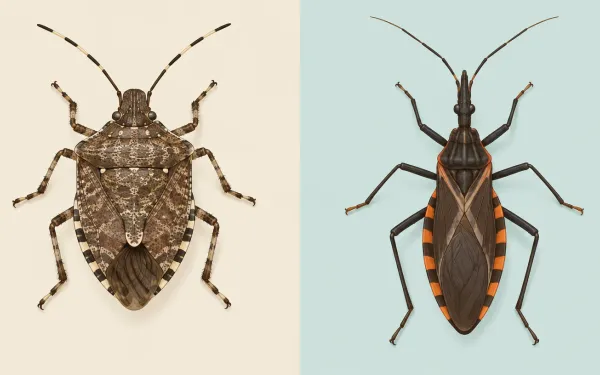
The one filling most houses in fall is the brown marmorated stink bug, an invasive, mottled brownish-gray shield about ⅝ inch long with light and dark bands on its antennae. It’s a nuisance rather than a danger: stink bugs don’t bite or sting or damage the structure of your home (NPIC), though in very high numbers they can get into heat pumps and small engines.
Why Stink Bugs Come Inside in Fall
They’re looking for a sheltered place to spend the winter, not for food or warmth. As days cool in late September and October they gather on sunny, high walls, fly toward lights, and squeeze through gaps as small as about 3 by 7 millimeters (NC State, Iowa State). One that finds a good spot releases a scent that draws others to it (NPIC), so a few on the siding can turn into many.
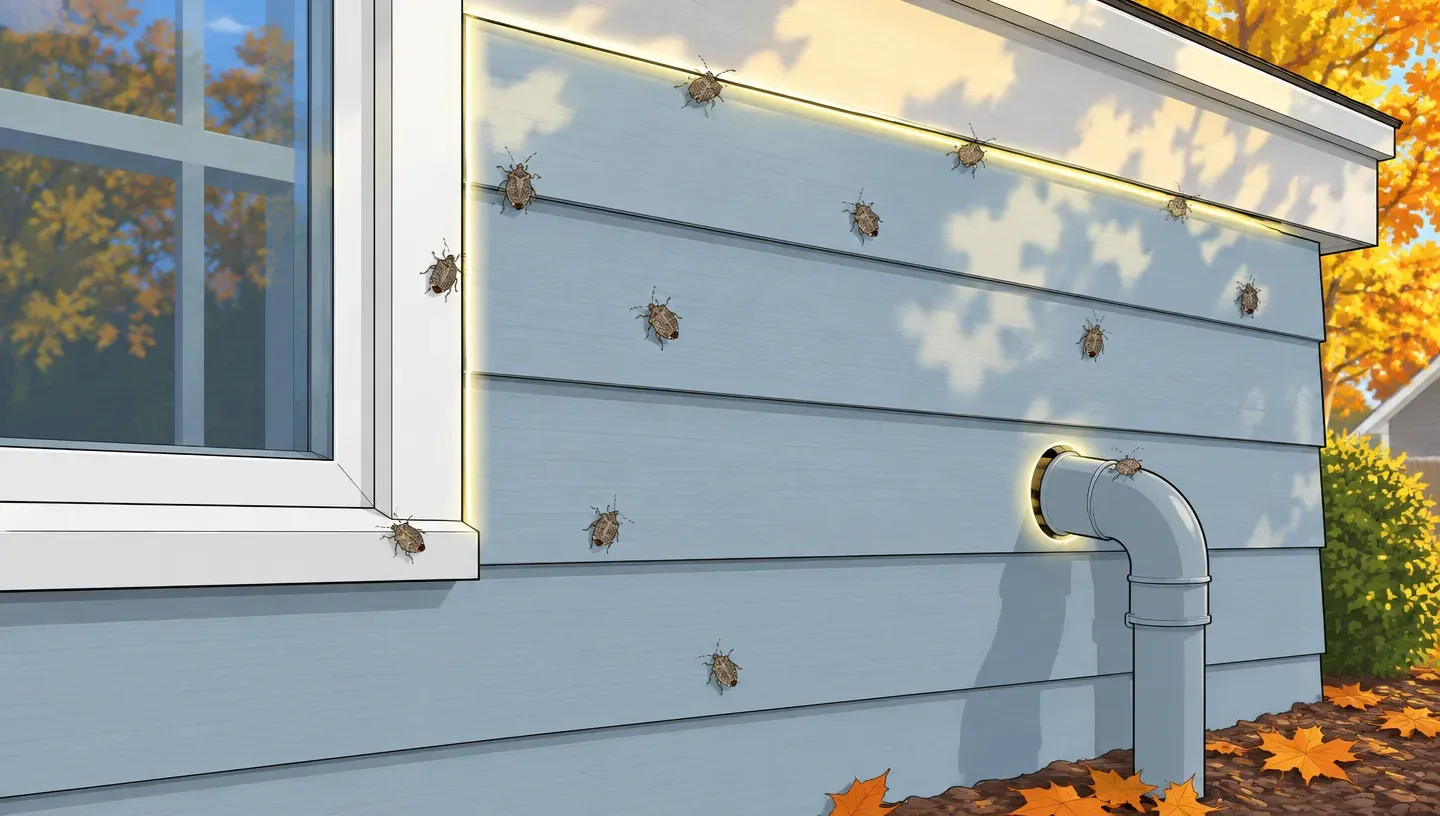
Illustration: stink bugs gathered on a sunny wall beside a window, near gaps in the trim and around a pipe.
Step 1: The Soapy Water Trick (and Why Vacuuming Smells)
The goal is to remove them without crushing them. A calm stink bug rarely smells; an agitated or crushed one does, and NPIC notes that killing or vacuuming them may release that odor. In large numbers, crushed ones can also stain furniture (Michigan State University Extension). The soap is the trick: Michigan State notes it keeps them from escaping the water. Three non-toxic ways:
- Soapy water (University of Maryland Extension’s method). Cut the top off a ½- to 1-gallon plastic container and fill the bottom quarter with water plus a teaspoon of dish soap. Hold it under the bug and brush it in, or slide the container up the wall or curtain so the bug drops in. It can’t climb out. Tape it to a broom handle for ceilings.
- Vacuum. It works fast, but vacuuming can set off the odor (NPIC), and the canister and bag will stink for a while (Maryland Extension). Michigan State suggests a shop vac with a couple inches of soapy water already in the canister, so the bugs drown as they’re sucked up. With a regular vacuum, stuff a knee-high stocking into the hose and secure it with a rubber band so the bugs collect in the stocking, then tip them into soapy water and throw the stocking away.
- Bottle funnel. A Virginia Tech entomologist suggests cutting the top off a 2-liter bottle and flipping it into the base as a funnel.
Live ones you catch can go in a sealed bag in the freezer for 2 days (UC IPM). Don’t flush them, which wastes water.
Don’t release them outside either: NC State says they’re likely to come right back in.
Outside, sweep big clusters off the wall into soapy water while it’s still cool and they’re slow.
Step 2: Set a Stink Bug Trap With a Lamp and Soapy Water
For stink bugs in the house that you can’t find, let them come to you. Virginia Tech researchers tested this homemade trap in 16 homes over two years:
- Fill a foil roasting pan with water and a few drops of dish soap.
- Put it in a dark room and point a desk lamp into the pan.
- Leave it overnight. Bugs fly to the light, fall in and drown. Empty and repeat.
It caught 14 times more stink bugs than store-bought traps costing up to $50.
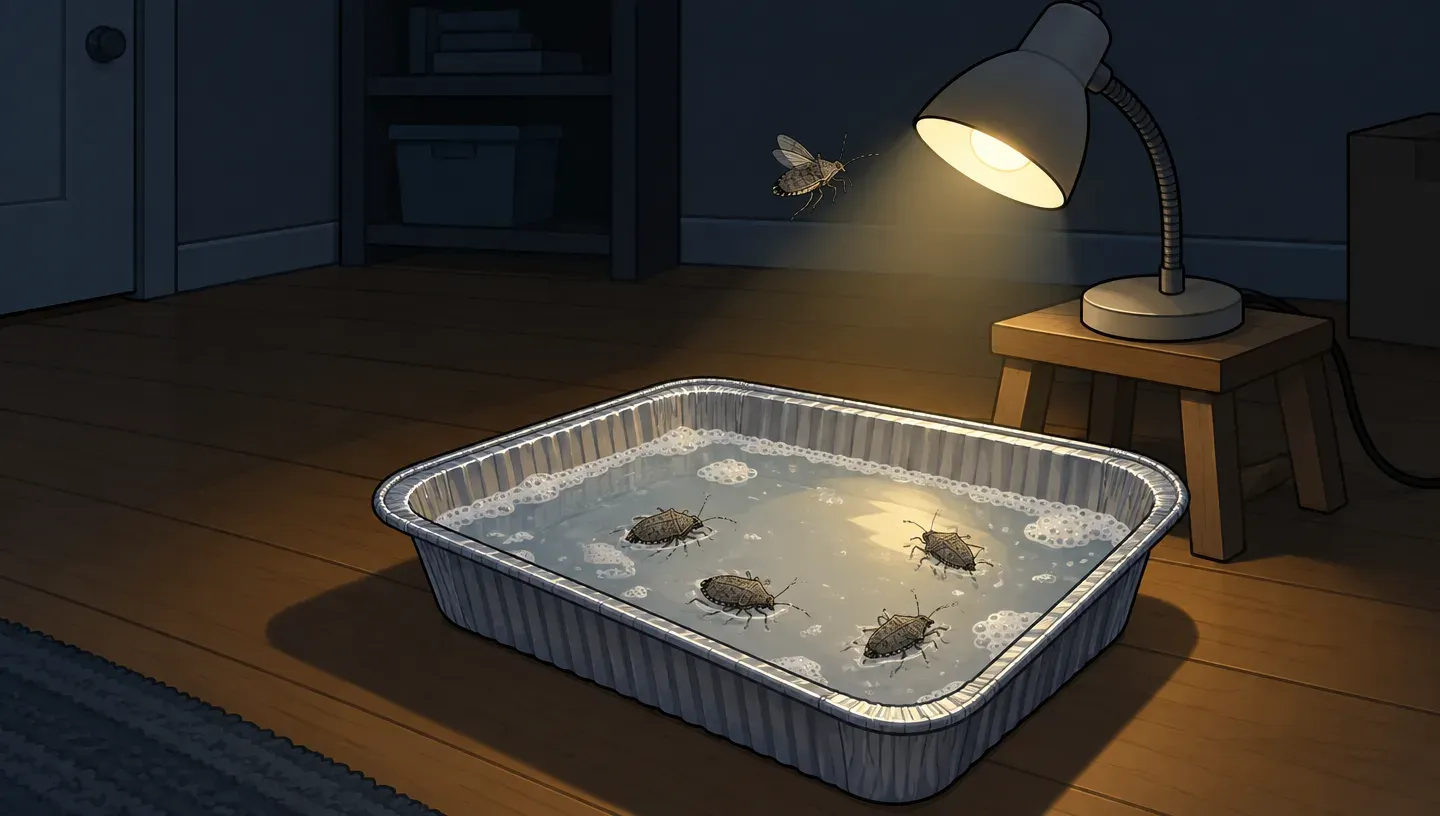
Illustration: a foil pan of soapy water under a desk lamp in a dark spare room.
What about outdoor pheromone traps? UC IPM says they mostly tell you when stink bugs are around. In one Maryland garden study, plants near a trap ended up with more bugs and more damage, so keep any trap well away from the garden.
Step 3: How to Keep Stink Bugs Out: Seal the Cracks
Every extension service we checked puts sealing first. Here’s what to seal, mostly from UC IPM’s list:
- Cracks around windows, doors, utility pipes, siding, chimneys and under fascia boards: seal with good silicone or silicone-latex caulk, or foam sealant.
- Screens: repair or replace torn window and door screens. Don’t leave windows open without a screen.
- Doors: weather stripping around the frame and a tight door sweep or threshold at the bottom.
- Window air conditioners: fill the side gaps and cover with screen if needed.
- Attic: put window screening inside gable vents.
- Lights: turn off outdoor lights you don’t need, and keep porch lights away from the door you use.
When to seal: the sources differ. Iowa State says to seal before they get in, which means before late September.
NC State adds a warning: sealing in fall, winter or early spring can trap bugs already in your walls inside the house. Its advice is to let them leave on their own in spring and seal in summer, before they return in late August.
How to choose: if they’re still clustering on the outside walls, seal outside cracks now. If they’re already emerging indoors, catch them with Steps 1 and 2 this winter and do the full sealing next summer. Sealing those gaps also helps keep out mice, which squeeze in through the same kinds of cracks.
Does Stink Bug Spray Work?
Not indoors. Iowa State says indoor sprays, including bug bombs, don’t stop new ones from entering and only hit bugs out in the open when you spray. Room foggers fail on cockroaches for a similar reason: the insects you need to reach are hidden in cracks.
Killing them inside walls or the attic causes a second problem. NC State warns that large numbers of dead stink bugs left in attics, walls or crawl spaces can attract other pests, such as carpet beetles. If you’ve already dusted a wall void, watch for carpet beetles and their fuzzy larvae next year.
Outside, the University of Maryland Extension generally doesn’t recommend sprays either. If you go that way, it says a licensed operator should apply a pyrethroid in fall, just before the bugs gather; sunlight breaks it down within several days to a week. A store-bought product must be labeled for window sills and door thresholds.
Why Do Stink Bugs Keep Coming Back?
You vacuum them up and more appear the next day. In winter they usually aren’t coming in from outside; they’re the bugs already hiding in your walls and attic, moving around on warm days.
Maryland Extension says they typically come out from under baseboards, around window and door trim, and around exhaust fans or lights in ceilings.
They don’t feed or breed indoors (Iowa State), so the supply is fixed until spring unless gaps still let new ones in during fall. Keep collecting them with soapy water and the light trap through winter. Once they’ve left for the garden in spring, seal the gaps, and next fall should be quieter.
Which Plan Fits Your Situation
| Situation | What to do | Why |
|---|---|---|
| You rent | Catch them with soapy water; send the landlord photos of torn screens and gaps, in writing | Outside repairs are usually the building’s job. |
| Kids or pets at home | Soapy water and the lamp trap; no indoor sprays or foggers | Both methods are non-toxic, and indoor sprays don’t stop new bugs anyway. |
| Still clustering on the outside walls | Seal outside cracks now | Iowa State says to seal before they get in. |
| Already coming out of the attic or walls | Lamp trap through winter; full sealing next summer | NC State warns sealing now can trap the hidden ones inside the house. |
| Hundreds every warm day | Call a pro for high gaps; ask for no indoor spraying (cost compared) | You can’t reach where they hide, and dead bugs in walls can draw carpet beetles. |
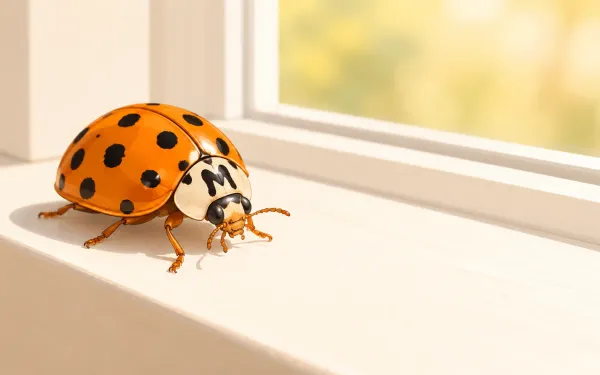
| Orange beetles or black-and-red bugs too | Same sealing; see Asian lady beetles or boxelder bugs | The same fall cracks let in the other overwintering bugs. |
What It Might Still Cost
| Item | Typical cost |
|---|---|
| 100% silicone caulk, 2.8 oz tube | $4.99 |
| Aluminum roasting pans, 2-pack | $5.99 |
| DIY total: 1–2 tubes of caulk plus pans (dish soap, a lamp and a vacuum you likely own) | About $11–16 |
| Professional pest control visit (all pests) | $108–$261, average $172 |
DIY: Target list prices, October 2, 2026, before tax. Pro: HomeAdvisor national figures for pest control in general (June 2026); we found no stink-bug-specific price.
A pro can seal the same gaps, vacuum, and spray outside, which wears off within a week. Ask which gaps they’ll seal and whether they’ll spray indoors, which extension services advise against.
Before You Start: A Quick Checklist
- Confirm the bug: a mottled brownish-gray shield about ⅝ inch long with banded antennae.
- Keep a soapy water container by the window instead of a tissue.
- Set a lamp over a foil pan of soapy water in a dark room overnight.
- Turn off outdoor lights you don’t need.
- Skip indoor sprays and bug bombs.
- Seal cracks, screens and doors before late September, or next summer if they’re already inside.
When to Call a Pro
- The gaps they use are high on the house, under siding or around a chimney you can’t reach safely from the ground.
- Hundreds keep coming out of an attic or wall void and you can’t reach where they’re hiding.
- They’ve gotten into a heat pump or other equipment.
Common questions
No. NPIC says killing a stink bug doesn’t attract more, and the smell it releases won’t draw others. What does pull others in is a live one that has found a winter hiding spot, which is why removing them quickly helps.
No. Iowa State says they can’t reproduce indoors or during winter. Females lay egg clusters of about 28 on the undersides of leaves from June to August.
Most are built to get through it. UC IPM says adults spend the winter in a resting state and become active again in spring, which is why bugs keep showing up indoors on warm days.
The Bottom Line
Catch stink bugs alive in soapy water, not with a tissue, and let a lamp over a soapy pan find the hidden ones. Seal cracks for about $11–16 in supplies, timed before they arrive or after they leave in spring, and skip indoor sprays.
Sources and further reading · 8
- National Pesticide Information Center (NPIC): Stink Bugs — no bites, stings or structural damage; killing one doesn’t attract more; aggregation scent; vacuum odor.
- Michigan State University Extension: Managing brown marmorated stink bugs in homes (staining) and Brown marmorated stink bugs are moving into Michigan homes again (2016; soapy-water bucket, shop vac with soapy water).
- University of Maryland Extension: Tips for Dealing With Brown Marmorated Stink Bugs — soapy water container, vacuum stocking, where they emerge indoors, why sprays and foggers aren’t recommended, exterior pyrethroid timing.
- UC IPM: Brown Marmorated Stink Bug (Pest Notes 74169) — overwintering, sealing checklist, lights, foil-pan light trap, freezing, pheromone traps.
- NC State Extension: FAQs, Brown Marmorated Stink Bug — 3 × 7 mm gaps, when to seal, carpet beetles, pets, equipment.
- Iowa State Extension: Brown Marmorated Stink Bug — identification, entry timing, no indoor reproduction, indoor sprays.
- Virginia Tech News: Homemade stink bug traps squash store-bought models (2014) and Stink bugs: the good, the bad, and how to get rid of them (2023).
- HomeAdvisor: How Much Does Pest Control Cost? (June 2026).