How to Get Rid of Boxelder Bugs in Your House and Yard
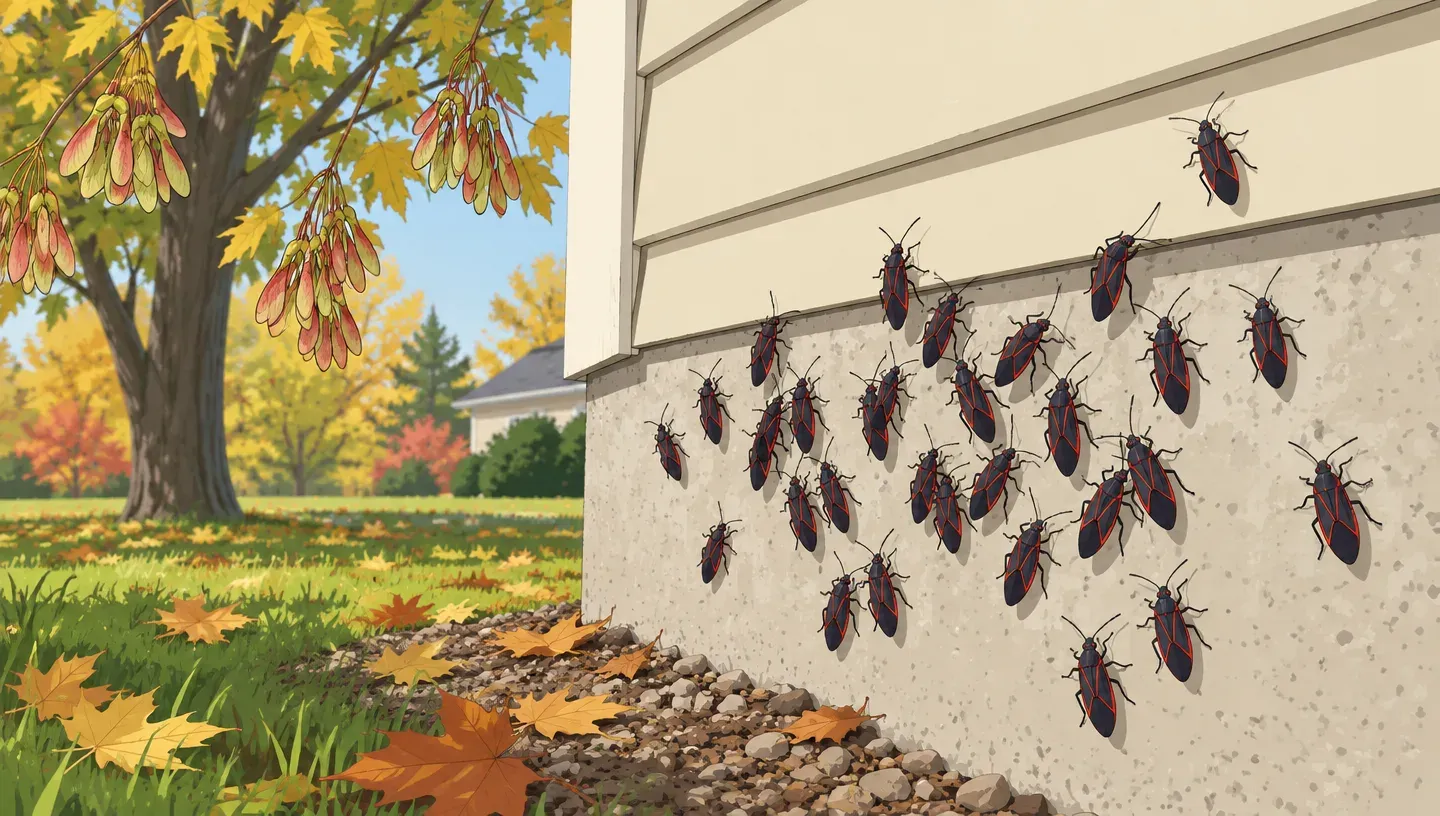
Illustration: boxelder bugs gathering on a sun-warmed wall in fall, with a seed-bearing boxelder tree nearby.
How to get rid of boxelder bugs: spray the clusters on your outside walls with a laundry detergent and water mix, vacuum the ones that get indoors instead of crushing them, and seal gaps of 1/8 inch or more around windows, doors, siding and vents before fall. Skip indoor sprays. You’re done when only stragglers appear on sunny days.
Cost: about $15 in supplies. Difficulty: easy. Call a pro if thousands gather on the house every fall and you want a pyrethroid treatment of the foundation walls, which UC IPM says is best done by a professional.
This page covers how to identify them, why they pick your house, the tree connection, the three steps (spray outside, vacuum inside, seal), sprays and the roughly $15 in supplies. We haven’t tested these methods ourselves; this rests on University of Minnesota, UC IPM and Colorado State extension guidance, plus store list prices.
Boxelder bugs in the house tonight? Vacuum them up; don’t squash them, because they smell and can stain. They don’t bite, don’t eat anything in your house and can’t breed indoors, so there’s no emergency. Tomorrow, check the sunny side of the house for clusters you can hose or spray.
What Works and What Doesn’t Against Boxelder Bugs
Soapy water outside, a vacuum inside and caulk before fall do the work; indoor insecticides don’t.
| Method | Works? | Cost | Main limitation |
|---|---|---|---|
| Detergent and water on outdoor clusters | Yes | From your laundry room | Kills only the bugs it hits, and can damage plants. |
| A hard stream from the hose | Yes, outdoors | Free | Has to be repeated on warm fall afternoons. |
| Vacuuming indoors | Yes, the only practical indoor control | A vacuum you own | More appear on every sunny winter day. |
| Sealing gaps 1/8 inch or larger | Yes, the best prevention | $4.99 caulk, $10.43 door sweep | Won’t stop every bug, especially on older houses with vinyl siding. |
| Seed cleanup and a clear foundation strip | Helps | Free | Adults fly several blocks, so a neighbor’s tree can still supply them. |
| Removing female boxelder trees | The most permanent fix | — | Often not practical or desirable. |
| Indoor insecticides and spray cleaners | No | — | Temporary relief; active bugs live only a few days indoors anyway. |
| Outdoor insecticide sprays | Rarely worth it | — | Often no better than vacuuming and hosing; a foundation treatment is best left to a pro. |
Is It a Boxelder Bug?
Adults are about ½ inch long and black, with three red lines on the area just behind the head and red edges; the young are bright red and wingless (UC IPM). They’re true bugs, related to stink bugs, and the boxelder bug page in our Pest Library shows the look-alikes.
Why Are Boxelder Bugs in My House?
They’re looking for a warm, sheltered place to spend the winter. In fall, adults leave the trees where they fed all summer and crowd onto buildings with a lot of southern or western exposure. Houses taller than their neighbors, or standing alone on flat ground, draw large numbers; the color of the house doesn’t matter (University of Minnesota Extension).
As it cools, they push into cracks around windows, siding, roof lines and foundations. Some end up in wall voids and attics, then wander into living areas on mild, sunny winter days and in spring as they try to get back outside. They don’t reproduce indoors: every boxelder bug you see in winter or spring got in the fall before (University of Minnesota Extension). They don’t injure people or pets, and once active indoors they live only a few days.
Numbers swing from year to year. They’re most abundant after hot, dry summers that follow warm springs.
Do You Need to Cut Down the Boxelder Tree?
No, though the tree is a big part of the story. Boxelder bugs feed and lay eggs mainly on female, seed-bearing boxelder trees, and occasionally on maple and ash (UC IPM). Colorado State says they seldom build up to nuisance numbers unless a female boxelder is in the neighborhood.
Removing female boxelders is the most permanent fix, but Colorado State notes it may not be practical or desirable, and UC IPM points out that adults fly several blocks, so they may come from a neighbor’s tree anyway. Easier steps from UC IPM:
- Sweep up fallen boxelder seeds under and near the tree; a shop vacuum gets most of them out of grass.
- Don’t plant new boxelders, and pull seedlings that come up.
- Clear a 6- to 10-foot strip of leaves, weeds and debris around the foundation, especially on the south and west sides, and move piles of rocks and boards away from the house.
Step 1: Spray Outdoor Clusters With Soapy Water
When they bunch up on the outside of the house, knock them down before they find a way in. Repeat on warm fall afternoons while they’re gathering.
Laundry detergent and water. Colorado State calls a detergent and water mix cheap, safe and effective when sprayed directly on the bugs. Aim at the wall, not your shrubs.
Best for: dense clusters on bare siding.
Main limitation: it only kills the bugs it hits, and it can damage plants.
A hard stream of water. Boxelder bugs drown easily, so UC IPM suggests washing them off walls and tree trunks with a forceful spray from the hose.
Best for: clusters on tree trunks or walls next to plantings.
Main limitation: nothing lingers, so you repeat it every gathering day.
Step 2: Vacuum the Ones Indoors
Once they’re inside, physical removal is the only practical control (University of Minnesota Extension). Vacuum them, or sweep them into a dustpan, and empty the vacuum outdoors.
Don’t crush them: they give off a bad odor, and their droppings can spot curtains, walls and light-colored furniture. A knee-high stocking held in the vacuum hose with a rubber band keeps them out of the bag, the same trick used for Asian lady beetles.
Expect a few more on every sunny winter day; the University of Minnesota says treating wall voids to stop them isn’t practical. Nuisance infestations should be over by late May, when the survivors head back to the trees (Colorado State).
Step 3: Seal Gaps Before Next Fall
Prevention is the best control (University of Minnesota Extension). Seal in summer, before they start gathering in fall:
- Openings 1/8 inch or larger around doors, windows, roof lines, fascia boards and anywhere different materials meet, like brick and wood siding. Use silicone, elastomeric latex or silicone/acrylic caulk.
- Utility openings: where cables, pipes, outdoor faucets and dryer vents enter. Bigger gaps take spray foam or copper mesh.
- Screens on roof, soffit, bathroom and kitchen fan vents.
- Door sweeps on exterior doors.
Don’t seal weep holes. On brick or stone veneer, the small openings at the bottom of the wall must stay open; hardware stores sell ventilation plugs for them.
Sealing won’t stop every bug, especially on older houses with vinyl siding, but it can greatly reduce how many get in.
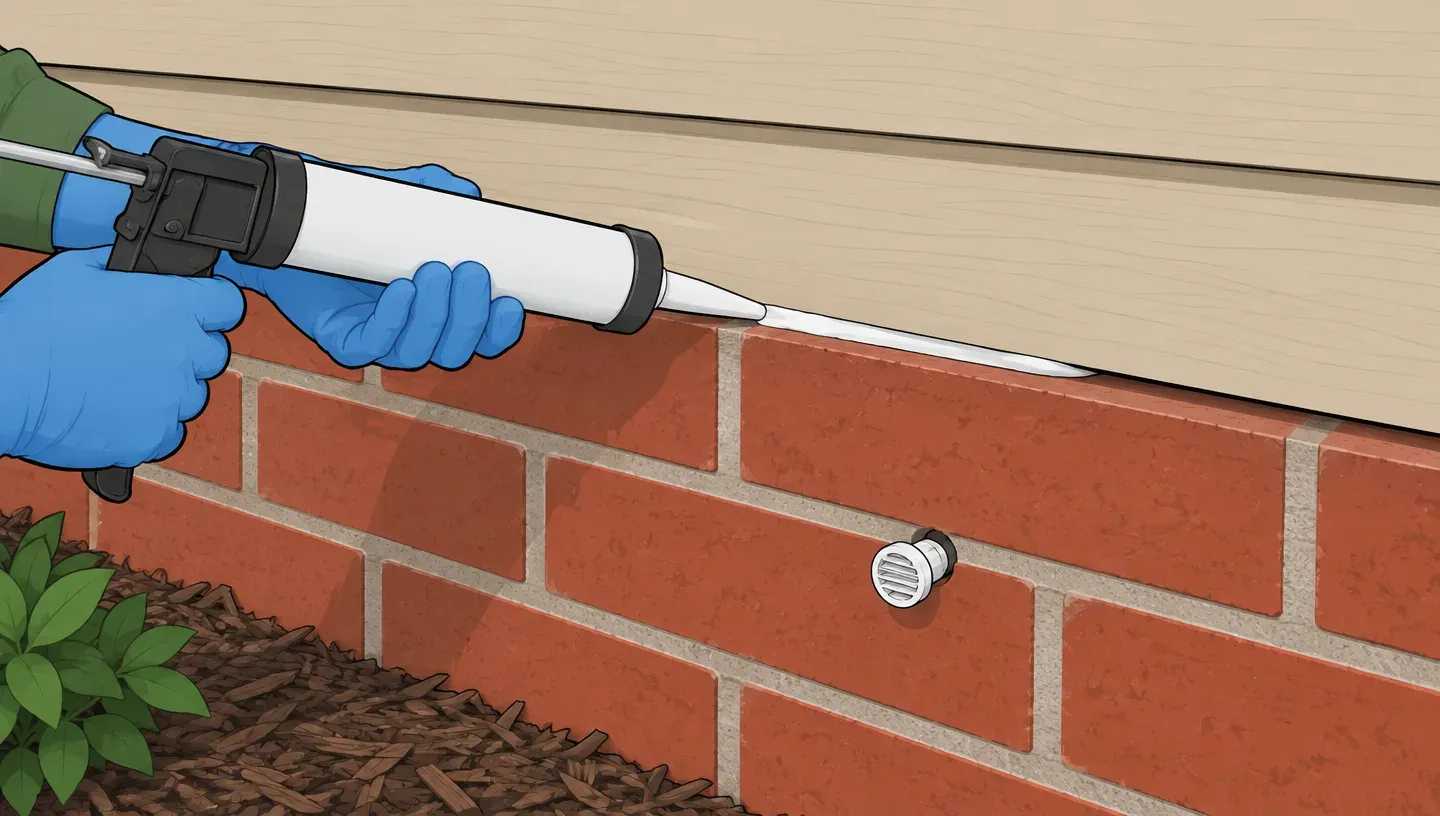
Illustration: caulking where siding meets brick, with a vent plug in the weep hole instead of caulk.
Do Boxelder Bug Sprays Work?
Indoors, no. Because they live only a few days once active inside, the University of Minnesota doesn’t recommend insecticides indoors. Household spray cleaners kill the ones they hit, but Colorado State says that’s temporary relief.
Outdoors, UC IPM says insecticide sprays are generally not recommended: they’re often no better than vacuuming and hosing. A pyrethroid treatment of the foundation walls is an option for big, repeat invasions, and UC IPM says it’s best done by a professional, with care to avoid runoff.
Which Plan Fits Your Situation
| Situation | What to do | Why |
|---|---|---|
| You rent | Vacuum inside and spray outside clusters; send the landlord photos of gaps and ask in writing for sealing | Caulking siding and windows is usually the building’s job. |
| Kids or pets at home | Vacuum and soapy water; no insecticides indoors | Boxelder bugs don’t injure people or pets, and indoor sprays aren’t recommended. |
| A female boxelder in your yard | Sweep up seeds, pull seedlings, clear a 6- to 10-foot strip by the foundation | The seed-bearing tree is where they feed and lay eggs. |
| Bugs coming out of the attic or walls | Vacuum as they appear; seal next summer | Treating wall voids isn’t practical, and they don’t breed indoors. |
| Brick or stone veneer | Caulk the gaps but fit ventilation plugs in the weep holes | Weep holes must stay open. |
| Thousands on the house every fall | A pro pyrethroid treatment of the foundation walls (cost compared) | UC IPM says it’s best done by a professional, with care to avoid runoff. |
What It Might Still Cost
| Item | Price |
|---|---|
| 100% silicone caulk, 2.8 oz tube | $4.99 |
| Aluminum door sweep, 36 in. | $10.43 |
| Laundry detergent and a spray bottle | From your laundry room |
| DIY total | About $15 |
Caulk: Target list price, October 2, 2026. Door sweep: Home Depot list price (Frost King A59/36H), October 2026. Before tax; assumes you own a vacuum, hose and caulk gun.
Before You Start: A Quick Checklist
- Confirm the bug: black, about ½ inch, with three red lines behind the head.
- Mix detergent and water in a spray bottle for the outside clusters.
- Aim at the wall, not your shrubs.
- Vacuum the ones indoors instead of crushing them.
- Skip indoor insecticides; the bugs die within days anyway.
- Caulk gaps 1/8 inch or larger in summer, leaving weep holes open.
When to Call a Pro
Most homes don’t need one. Consider it when thousands gather on the house every fall and you want the foundation treated with a pyrethroid, or when the gaps are high on the house where you can’t work safely. Ask how they’ll keep the spray from running off, since UC IPM says foundation treatments need care to avoid runoff.
Other Fall Invaders
The same gaps let in other bugs looking for a winter home:
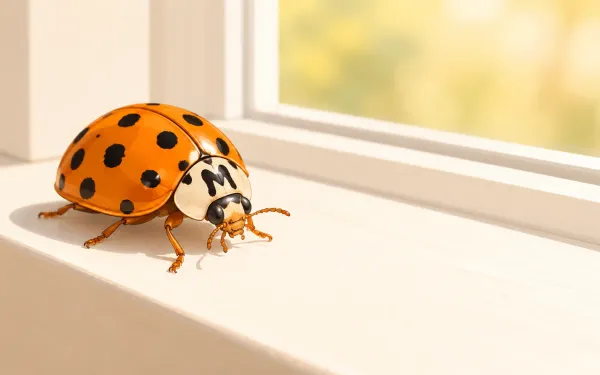
- Asian lady beetles: orange “ladybugs” swarming sunny walls and windows.
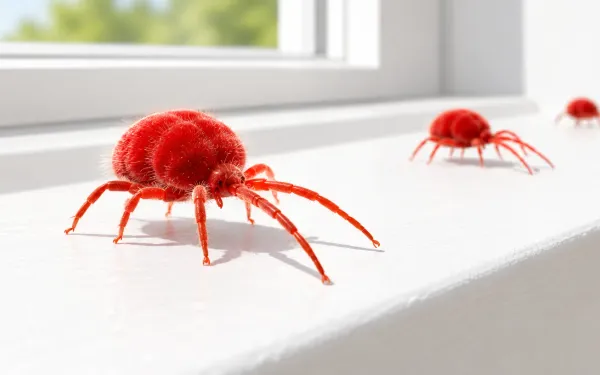
- Clover mites: tiny red specks on windowsills that leave red smears when crushed.
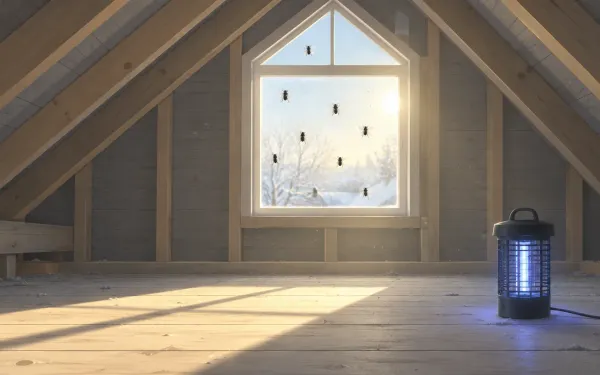
- Cluster flies: sluggish flies at attic and upstairs windows.
- Stink bugs: brown, shield-shaped bugs that smell when disturbed.
Common questions
Very rarely. Colorado State says they have, on rare occasions, been reported to bite people, and UC IPM says they don’t injure people or pets. They may probe houseplants but don’t damage them. Not sure what bit you? See our bug bites guide.
Yes. Trapped indoors, they eventually die (UC IPM), and active ones live only a few days. That’s why vacuuming beats spraying inside.
The Bottom Line
Hose or spray boxelder bugs on the outside walls, vacuum the ones that get in, and skip indoor insecticides. The lasting fix is about $15 of caulk and a door sweep, applied in summer before they gather in fall.
Sources and further reading · 4
- University of Minnesota Extension: Boxelder Bugs — why they choose sunny buildings, no indoor reproduction, sealing gaps 1/8 inch and larger, weep holes, indoor removal.
- UC IPM: Boxelder Bug — identification, female trees, seed cleanup, foundation strip, water spray, insecticides.
- Colorado State University Extension: Boxelder Bugs — tree removal, detergent sprays, vacuuming, late-May end of the season, rare bites.
- Prices: Target (silicone caulk) and Home Depot (Frost King door sweep).