Pest guide
Fly and Gnat Guides
Tell drain flies, fungus gnats and fruit flies apart, clean out the breeding spot each one needs, and trap the adults with simple, cheap methods.
6 guides · Updated Oct 5, 2026
Flies & gnats overview
How to identify flies and gnats
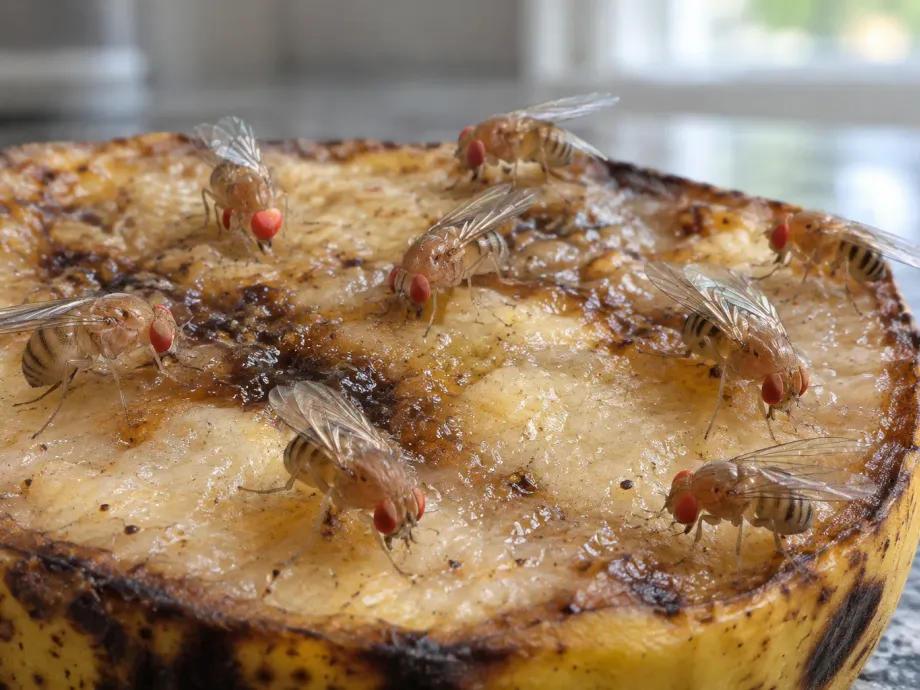
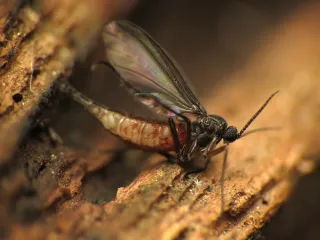
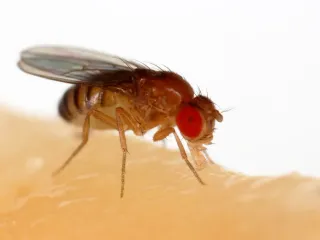
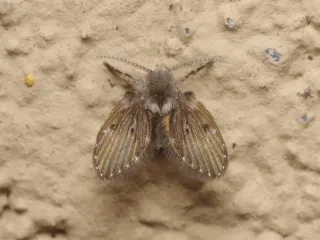
“Gnat” covers several small flies, and each breeds somewhere different (University of Kentucky). Fruit flies are tan, about ⅛ inch, usually with red eyes, and hover over fruit and trash. Fungus gnats are dark and slender like tiny mosquitoes and stay near houseplants and windows. Drain flies are gray, fuzzy and hold their wings like a roof over sinks and tubs.
Why they’re in your house
Something inside is feeding the larvae: overripe fruit, a recycling bin or a spill for fruit flies, wet potting soil for fungus gnats, slimy buildup in a drain for drain flies (University of Maryland Extension, UC IPM). Killing the adults alone doesn’t end it while that source is there.
Where to start
Start with how to get rid of gnats, which tells the types apart and points you to the source. Then use the guide for your fly: fruit flies, fungus gnats or drain flies.
How to keep them out
Keep the breeding spots from coming back: don’t leave ripe fruit out, keep lids on trash and recycling, let houseplant soil dry between waterings, and scrub slow drains with a brush now and then. After a cleanup, expect stragglers for about one life cycle: 8–10 days for fruit flies (University of Maryland Extension), about 17 days for fungus gnats at 75°F (UC IPM) and 7–28 days for drain flies. One female fruit fly can lay over 500 eggs (University of Kentucky), so a missed source fills the kitchen again quickly.
When to call a pro
Call a professional, or a plumber, if you see swarms of small humpbacked flies on the first floor, which can mean a broken drain or sewer line under the house, or if you still can’t find the source after checking fruit, plants, drains and trash.
Sources: University of Kentucky Entomology: Gnats and small flies (EF657); University of Maryland Extension: Fruit Flies; University of Maryland Extension: Drain Flies; UC IPM: Fungus Gnats
Identify
1 guideWork out what you’re dealing with from droppings, damage and sightings.
Get Rid of Pests
4 guidesStep-by-step plans for pests already in the house.
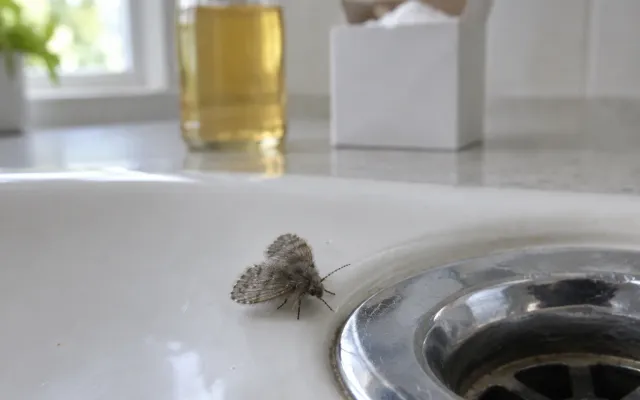
Drain Cleaners for Drain Flies: Do Bleach and Vinegar Work?
Mostly no. Bleach, vinegar, baking soda and boiling water only kill larvae on the surface of the drain slime. Scrub the pipe with an $8–15 drain brush, flush with boiling water, and use a bacterial gel where the brush can’t reach.
Updated Oct 5, 2026 · 11 min read
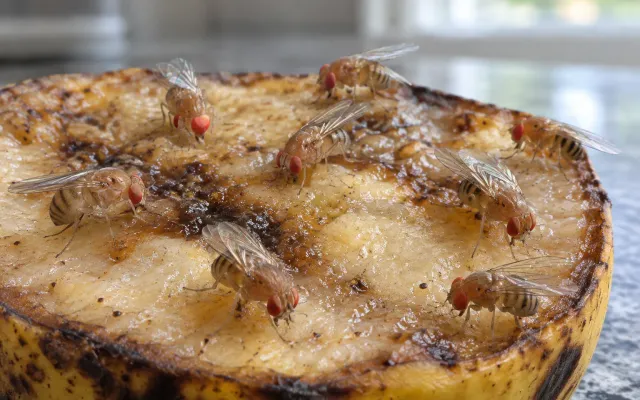
How to Get Rid of Fruit Flies: Find the Source First
Remove what they breed in (ripe produce, unrinsed recycling, a sour mop, a dirty drain), then catch the rest in a jar of $1.29 cider vinegar with a drop of dish soap. No spray or exterminator needed.
Updated Oct 4, 2026 · 11 min read
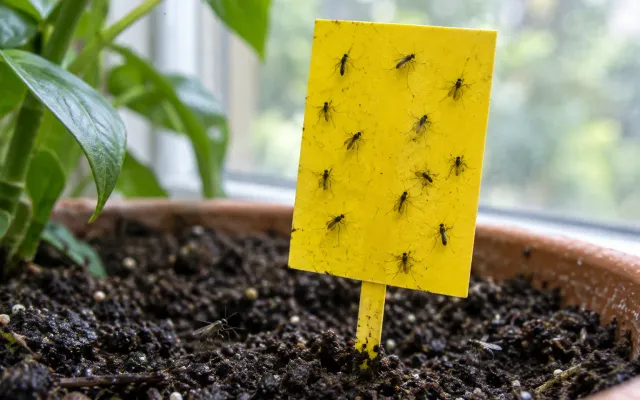
How to Get Rid of Fungus Gnats in Houseplants for Good
Let the top 1–2 inches of soil dry, catch adults on yellow sticky cards and water in Bti every 5–7 days for about 3 weeks. Supplies cost about $25.
Updated Oct 4, 2026 · 12 min read
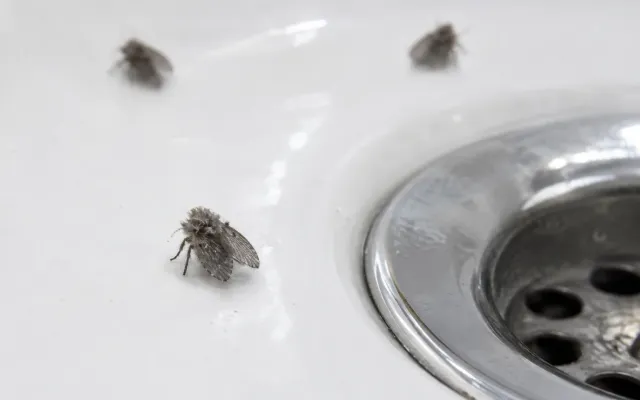
How to Get Rid of Drain Flies (Sewer Flies) for Good
Find the breeding drain with tape overnight, scrub the slime out with a stiff brush, then flush it or use a bacterial drain gel. Bleach won’t do it. Supplies run about $29–46; a pro charges $170–375.
Updated Oct 5, 2026 · 11 min read
Identify the species
Pictures, size and look-alikes in the Pest Library.
Not a fly or gnat?
Guides for other pests.
- Mouse Control Guides44 guides
- Rat Control Guides34 guides
- Pantry Moth Guides2 guides
- Pantry Beetle and Weevil Guides2 guides
- Clothes Moth Guides2 guides
- Carpet Beetle Guides6 guides
- Cockroach Guides19 guides
- Silverfish Guides3 guides
- Springtail Guides2 guides
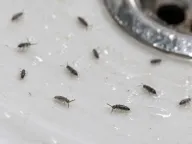
- Stink Bug Guides2 guides
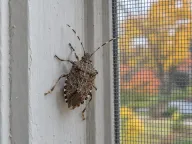
- Fall Invader Guides7 guides
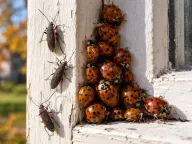
Fly or gnat questions
Why do I have gnats in my house?
Something is feeding the larvae: ripe fruit or a sticky trash can for fruit flies, damp potting soil for fungus gnats, or buildup in a drain for drain flies. Find and remove that source first.
Do gnats bite?
The gnats that breed indoors, such as fruit flies, fungus gnats and drain flies, don’t bite people. Biting gnats are outdoor insects.
See Do gnats bite?.
Does bleach get rid of drain flies?
Mostly no. Bleach only kills larvae on the surface of the drain slime. Scrub the pipe with a drain brush, flush with boiling water, and use a bacterial gel where the brush can’t reach.