Pest guide
Rat Control Guides
Tell rats from mice, find how they get in, trap the ones already inside and clean up safely. Practical, sourced guides for rats in and around the house.
34 guides · Updated Oct 11, 2026
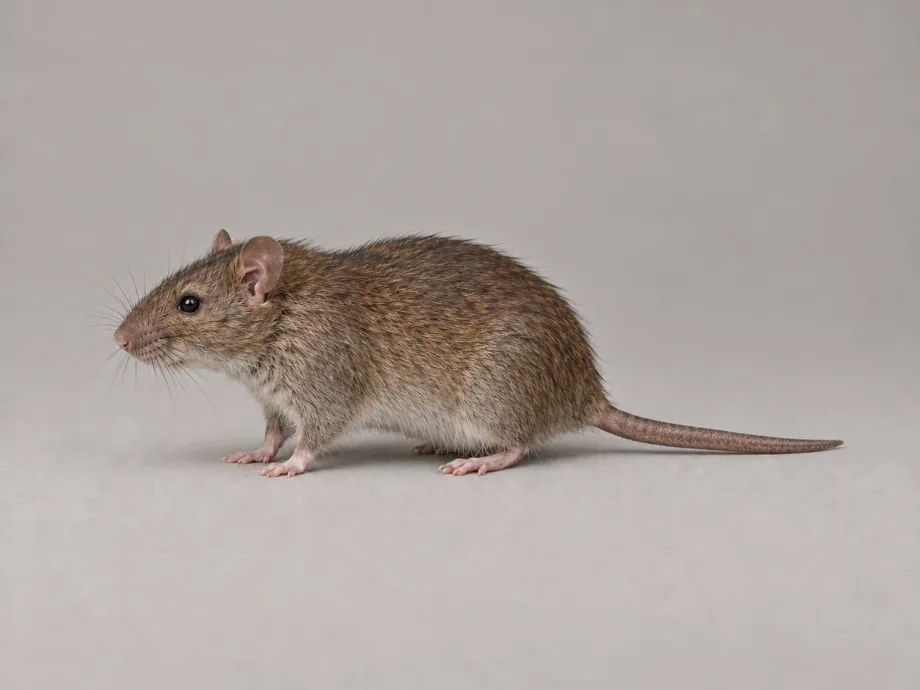
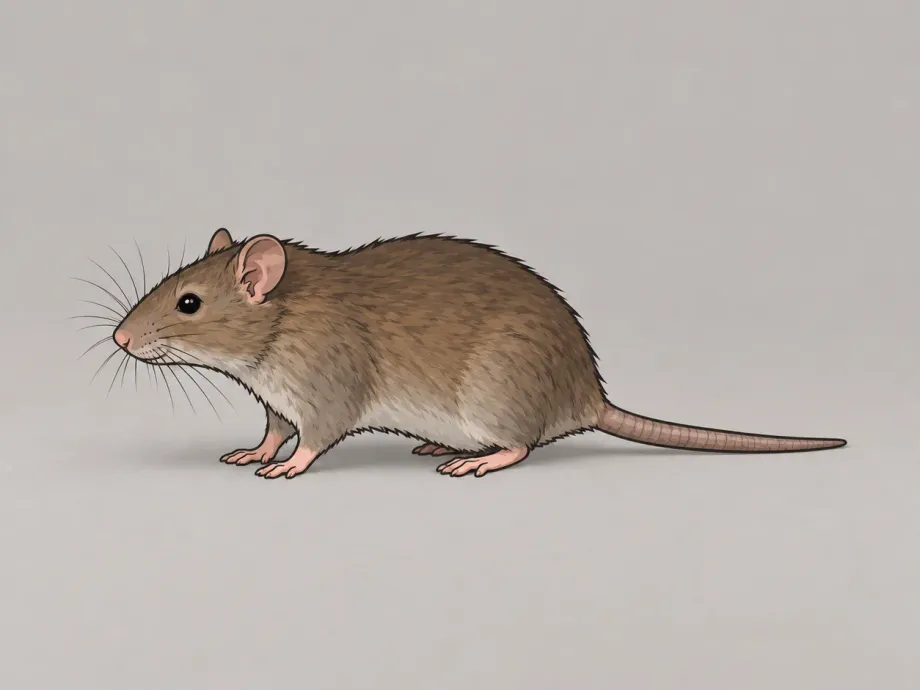
Not sure if it’s a mouse or a rat? Mouse vs rat: how to tell
Rats overview
How to identify rats
Two rats get into homes. The Norway rat is brown to gray with a 7–10 inch body and a shorter tail, and burrows by foundations, in basements and garages. The roof rat is dark gray to black, with a tail longer than its body, and lives in attics, ceilings and trees (UC IPM, NC State). Rats are mostly active at night, so you usually find droppings, rub marks and gnawing first; rat poop vs. mouse poop helps you tell rats from mice.
Why they’re in your house
Rats come in for food, water and shelter, through gaps of about ½ inch or more around pipes, vents, garage doors and the foundation. Pet food, birdseed, open trash and fallen fruit keep them coming back.
Where to start
Start with how to get rid of rats: confirm the signs, seal every gap with metal or mortar, set a dozen or more rat-size snap traps along the walls, and take away food and water. How to catch a rat covers setting and baiting traps, and rats in the attic covers the most common hiding spot.
How to keep them out
Seal ½ inch, not just big holes: young rats can squeeze under a door with a ½-inch gap (UC IPM). Walk the outside of the house from the roofline down, checking eaves, soffits, gable and roof vents, gaps around pipes and the air-conditioning line, foundation and crawl-space vents and garage door corners, and cut back branches or vines that reach the roof (CDC). Close the gaps with metal or mortar. Keep pet food and birdseed in sealed containers and lids on outdoor trash.
When to call a pro
Call a professional if you can’t safely reach or clear rats in the attic, walls or crawl space, or if you still find fresh droppings after two weeks of trapping and sealing.
Sources: UC IPM: Rats; NC State Extension: Surveillance and Management of Common Structure-Invading Rats; CDC: Seal Up! Trap Up! Clean Up!
Identify
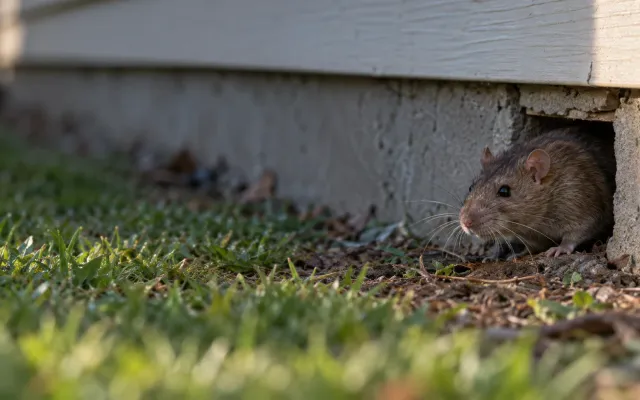
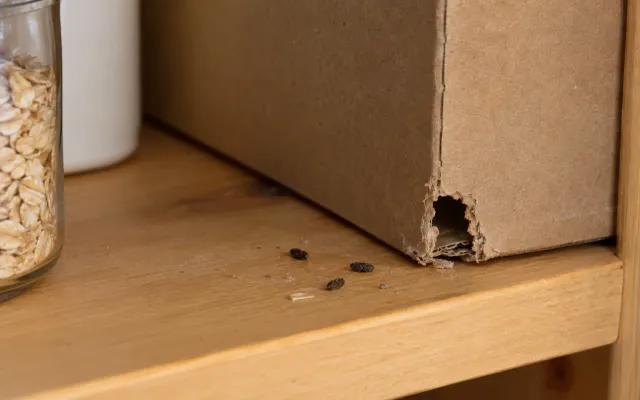
1 guideWork out what you’re dealing with from droppings, damage and sightings.
Get Rid of Pests
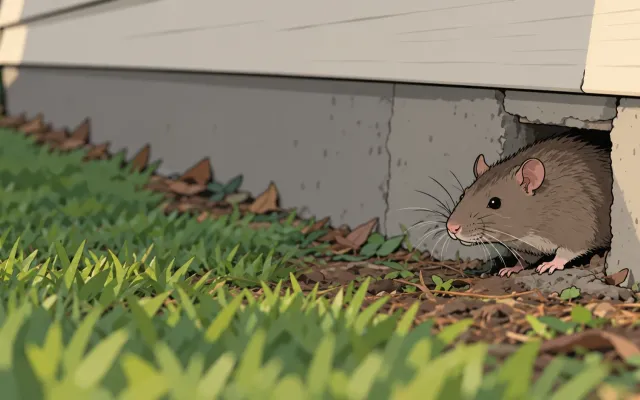
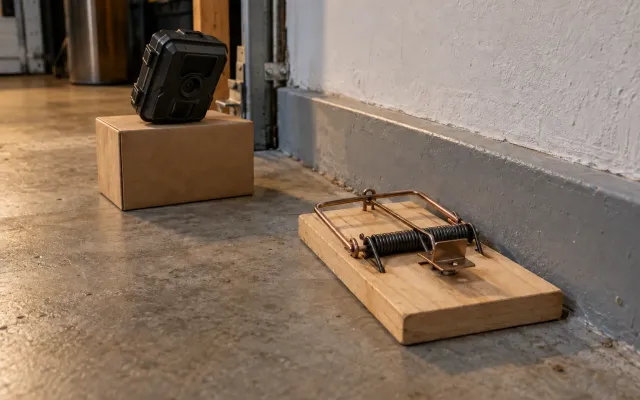
3 guidesStep-by-step plans for pests already in the house.
Why Rats Avoid Traps (and How to Catch a Smart Rat)
Rats skip traps that are new, too small or off their route. Bait a rat-size trap unset for a few nights, put other food away, then set every trap the same night.
Updated Oct 4, 2026 · 8 min read
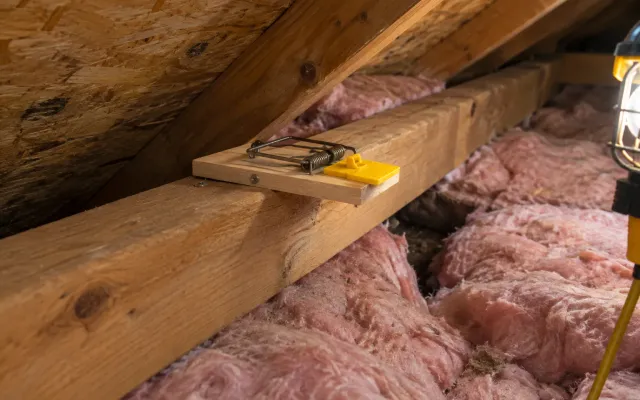
How to Get Rid of Rats in the Attic
Rats in the attic are usually roof rats. Pre-bait rat-size snap traps on beams and pipes for a few nights, then set them; trim branches back from the roof, seal gaps at the roofline and vents, and clean up droppings the CDC way.
Updated Oct 7, 2026 · 9 min read
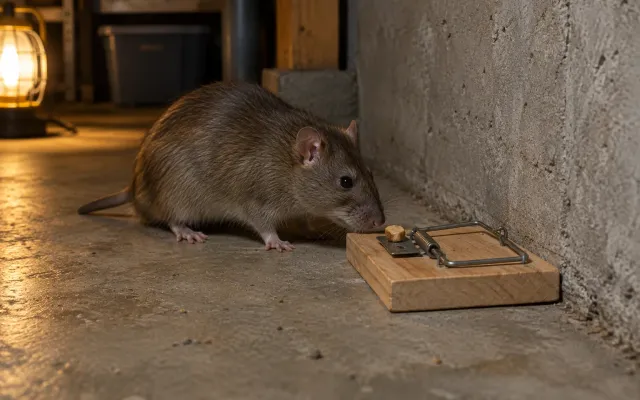
How to Catch a Rat: Set, Bait and Place Rat Traps
Use rat-size snap traps, about $3.59 each: bait with a pea-sized amount, leave them unset for a couple of days, then set them all at right angles to the wall.
Updated Oct 5, 2026 · 10 min read
Traps & Baits
2 guidesChoose, bait and place traps so they actually catch.
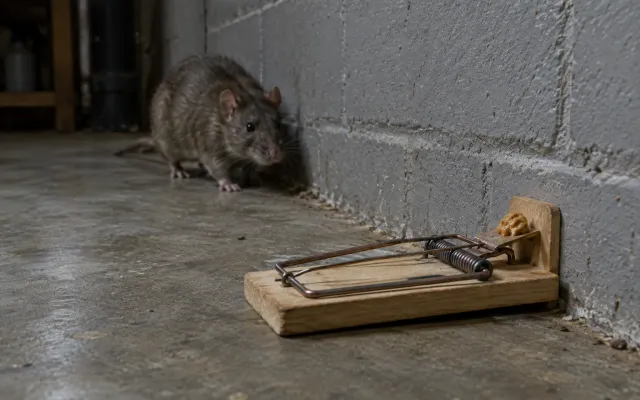
Best Rat Bait for Traps (Food, Not Poison): What Works
A pea-sized dab of chunky peanut butter, or a nut, raisin or bit of bacon tied to the trigger. Leave traps unset until the bait is taken, then set them all.
Updated Oct 5, 2026 · 10 min read
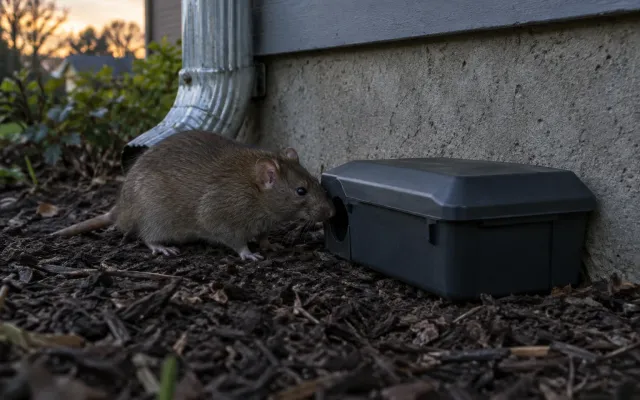
Rat Bait Stations: Where to Put Them and Are They Worth It?
Outdoor rat bait stations kill some rodents feeding by the house but seal nothing. Monitoring plans can run $50–$150 a month; sealing gaps and trapping yourself costs $65–87.
Updated Oct 5, 2026 · 10 min read
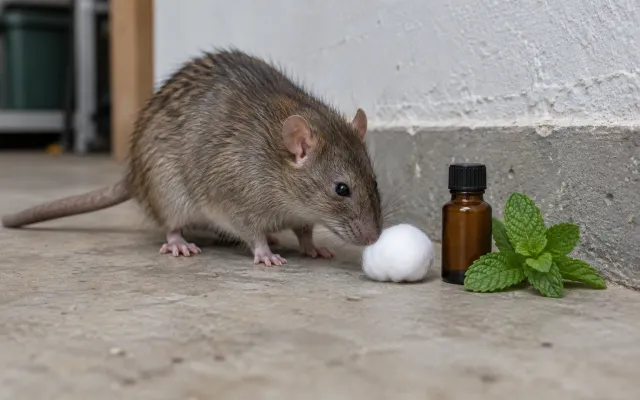
Repellents
1 guideWhat the evidence says about scents, sprays and gadgets.
Mouse guides that also cover rats
26 guidesWritten mainly about mice, with advice that applies to rats too.
Traps & Baits
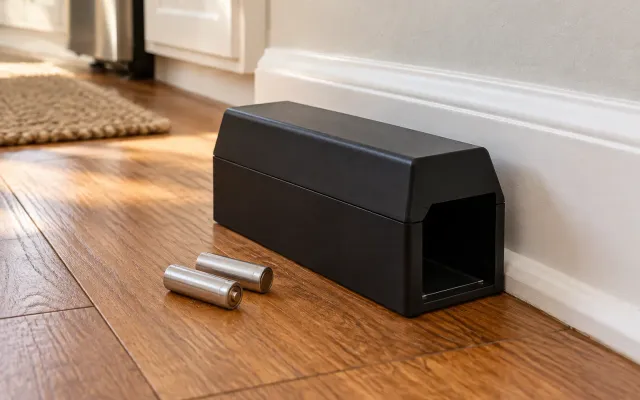
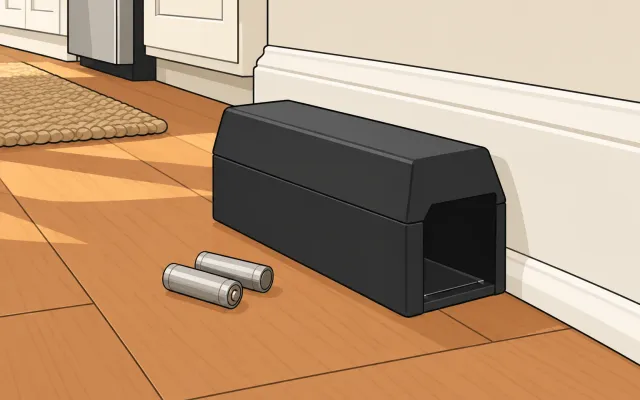
How Electronic Mouse Traps Work (and Do They Work?)
An electronic mouse trap kills with a battery-powered shock. It works when mice walk fully inside, but at $25–$32 it costs as much as 20 snap traps.
Updated Oct 11, 2026 · 12 min read
Repellents
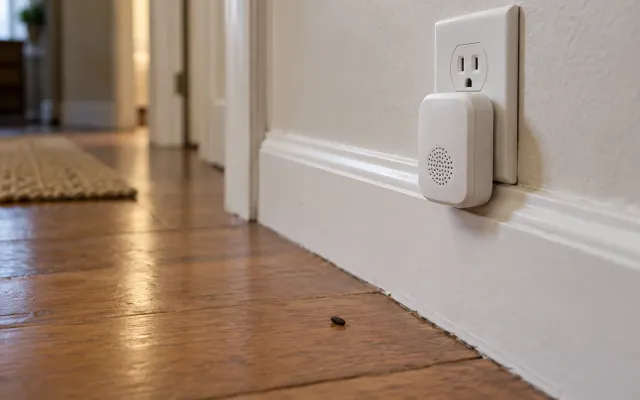
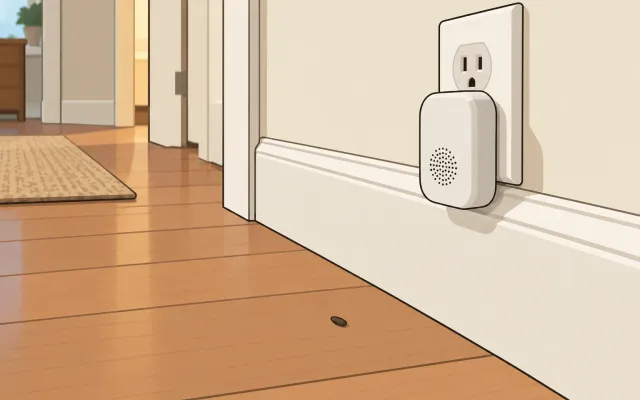
Do Ultrasonic Pest Repellers Work on Mice and Rats?
No. Mice and rats quickly get used to the sound, and UC IPM says the devices don't work on house mice. If yours is still returnable, spend the money on traps.
Updated Oct 5, 2026 · 9 min read
Safety & Cleanup
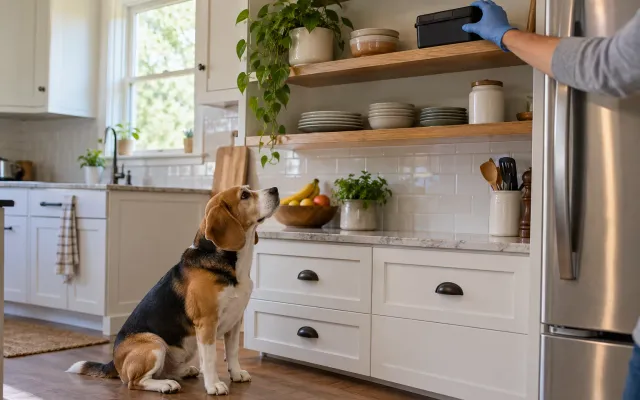
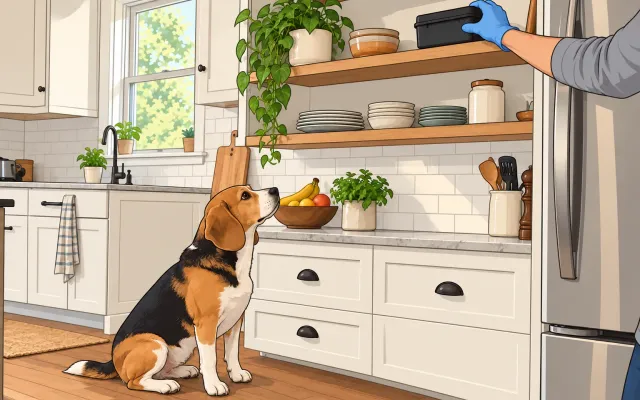
Is There a Pet-Safe Rat Poison? Risks and Safer Options
No rodenticide is safe for pets. How rat and mouse poison harms dogs, cats and wildlife, what bait looks like, where poisoned mice die, and what to use instead.
Updated Oct 5, 2026 · 8 min read
Traps & Baits
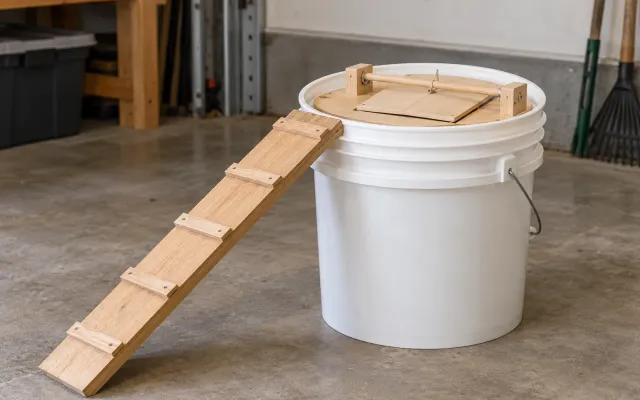
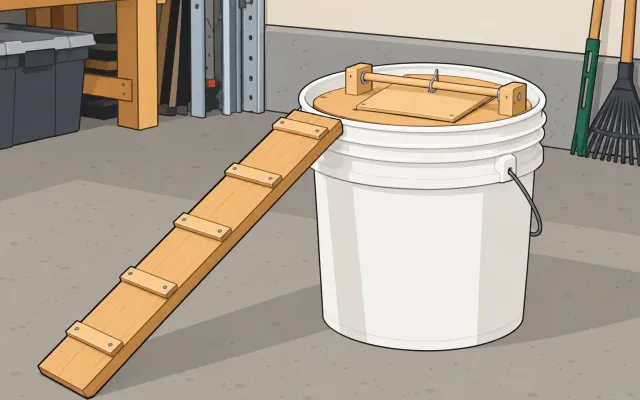
False-Floor Bucket Trap: How DIY Mouse Buckets Work (and Fail)
A bucket trap only works if the can spins at a light touch and the bucket is deeper than a mouse can jump. How to build one, why most catch nothing, and why to skip the water.
Updated Oct 10, 2026 · 9 min read

Costs
Is Your Exterminator Quote Fair?
I went through six years of quotes homeowners and renters shared on Reddit. The same job often cost twice as much depending on who came out, attic upsells turned $1,800 jobs into $8,700 ones, and the most common complaint was that it didn’t work.
Updated Oct 5, 2026 · 8 min read
Safety & Cleanup
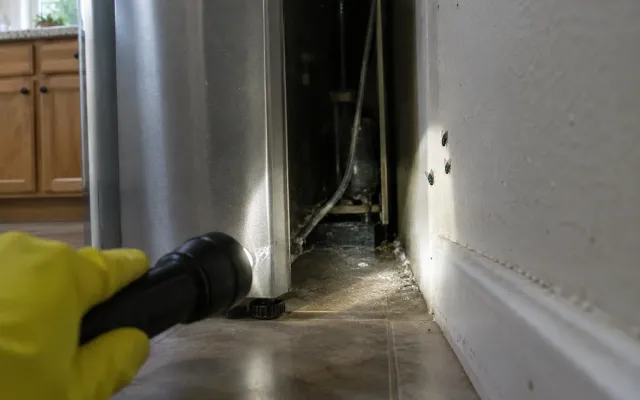
What Does a Dead Mouse Smell Like? How to Get Rid of It
A dead mouse smells like rotting meat. Follow the smell and flies to it, spray and double-bag it; if you can’t reach it, the smell usually fades in a few weeks.
Updated Oct 10, 2026 · 9 min read
Costs
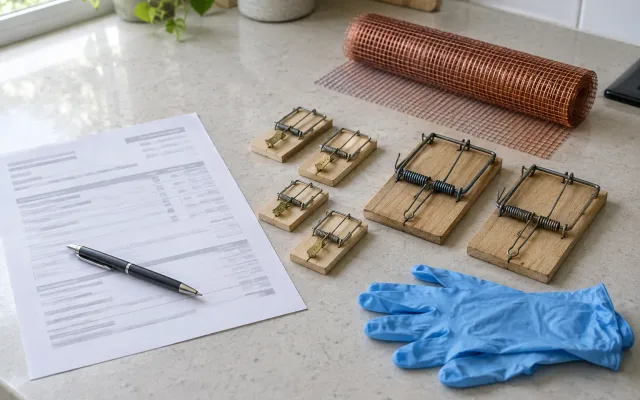
Rat Exterminator Cost vs. DIY: Rat and Mouse Prices
Price guides list $189–$655 for rats and $150–$550 for mice, but 53 pro quotes homeowners shared for jobs that include sealing had a $2,000 median. Doing it yourself costs about $57–87 in traps, copper mesh, gloves and bleach.
Updated Oct 5, 2026 · 12 min read
Traps & Baits
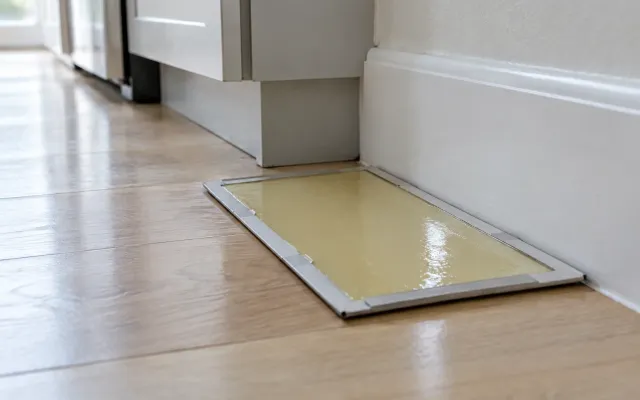
Glue Traps for Mice: Do They Work, and Are They Cruel?
Glue traps catch mostly young mice, rats often pull free, and the CDC advises against them. A dozen snap traps costs about $14 and works better.
Updated Oct 5, 2026 · 10 min read
Prevention & Sealing
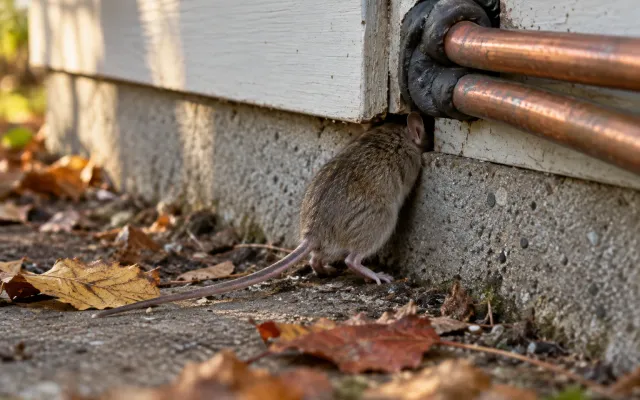
How Do Mice Get in the House? How to Keep Them Out
Mice get in through pencil-width gaps (¼ inch) at pipes, doors, vents and the roofline. Seal them with metal mesh plus caulk; a DIY kit runs about $57–71.
Updated Oct 5, 2026 · 10 min read
Safety & Cleanup
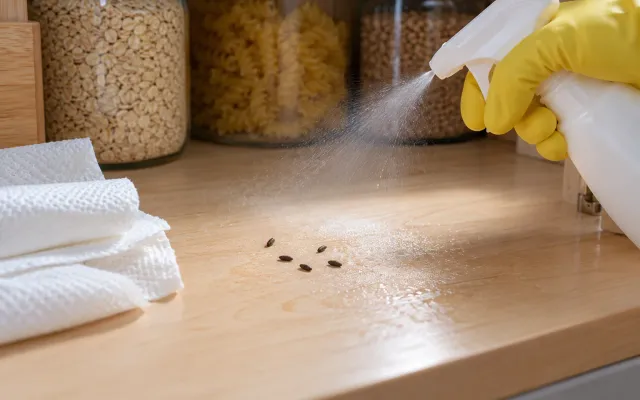
How to Clean Mouse Droppings Safely (Don’t Vacuum)
Don’t sweep or vacuum. Air the room 30 minutes, glove up, soak droppings with 1.5 cups of bleach per gallon of water, wait 5 minutes, wipe, bag. About $15 in supplies.
Updated Oct 5, 2026 · 9 min read
Traps & Baits
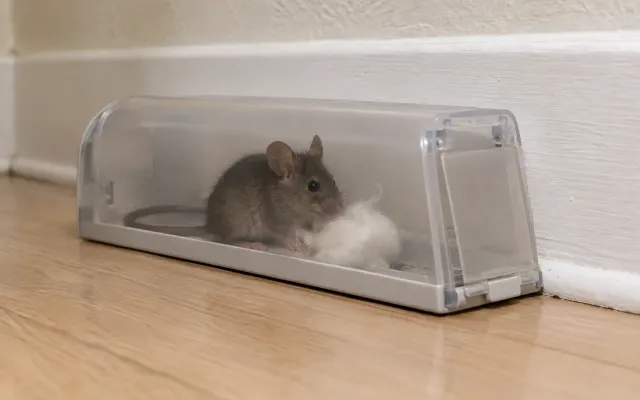
Humane Mouse Traps: How to Choose and Use a Live Trap
A humane mouse trap catches mice alive for $10–30, but it’s only humane if you check it at least every 12 hours and have a plan: released house mice come back or die, and some states ban moving them.
Updated Oct 5, 2026 · 10 min read
Identify
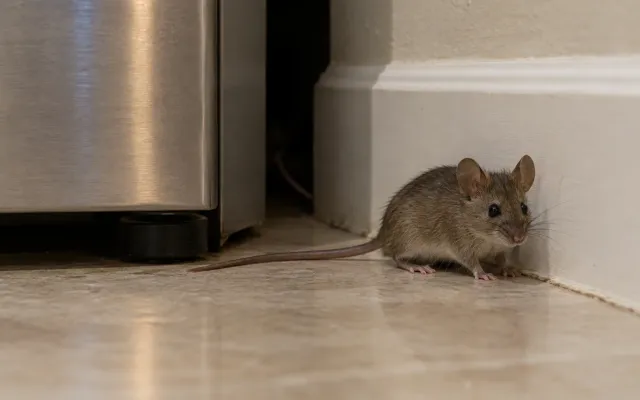
If You See One Mouse, Are There More? How to Tell
Often, but not always: one mouse can wander in alone. Fresh droppings, flour-patch tracks and 12–24 snap traps (about $14–27) show how many you really have.
Updated Oct 5, 2026 · 9 min read
Get Rid of Pests
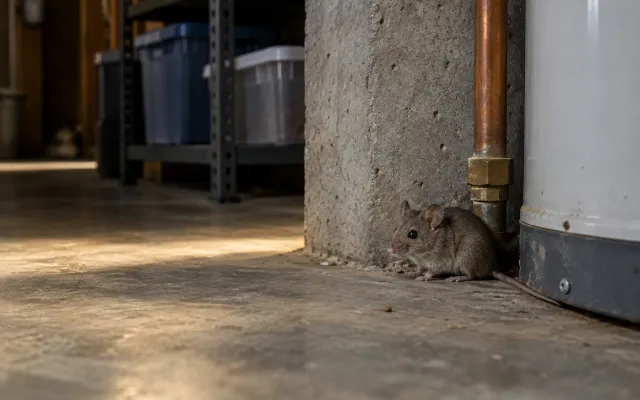
Mice in Basement or Crawl Space: How to Get Rid of Them
Trap along the walls, seal gaps of ¼ inch or more with metal and disinfect droppings, for about $57–71 in supplies. Pro crawl space cleanup runs $200–$4,000.
Updated Oct 5, 2026 · 9 min read
Safety & Cleanup
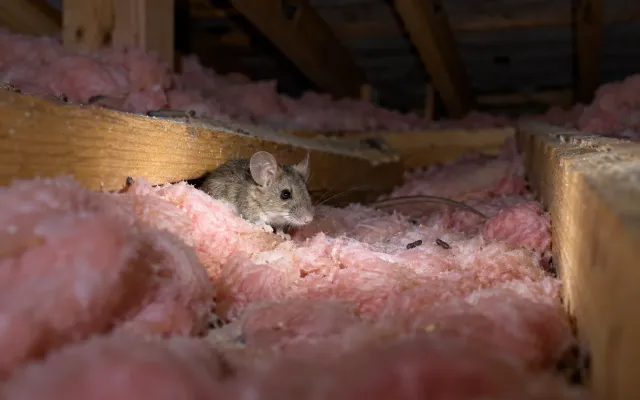
Mice in Insulation: Do You Need to Replace It All?
Mice in insulation don’t always mean a new attic: trap and seal first, then bag only the soiled patches and top them up. Full restoration runs $3.30–$5.50 per sq ft.
Updated Oct 10, 2026 · 9 min read
Get Rid of Pests
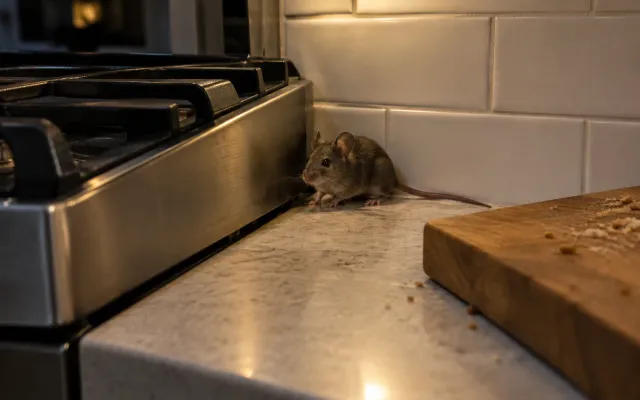
Mouse in Kitchen? Stove, Dishwasher, Fridge and Food Safety
Set snap traps behind the stove and fridge and under the sink, throw out food in bags or boxes mice could reach, and seal pipe gaps. Traps run about $14; a full kit $57–71.
Updated Oct 5, 2026 · 9 min read
Traps & Baits
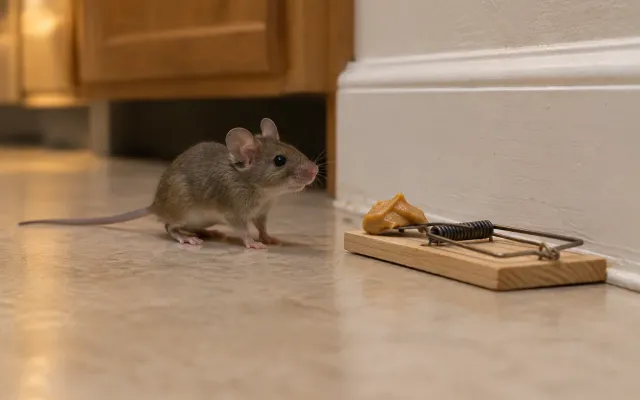
Mouse Traps Not Working? Why Mice Avoid Traps and How to Fix
Most mouse traps fail because of setup: too much bait, a stiff trigger, traps away from the wall, too few traps or easier food nearby. Fix those, then pair traps where droppings are.
Updated Oct 5, 2026 · 9 min read
Safety & Cleanup
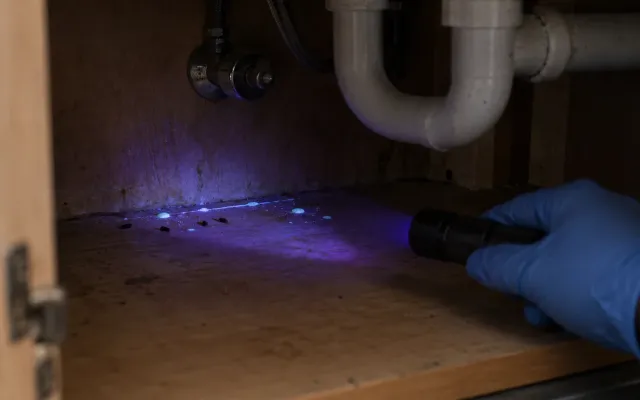
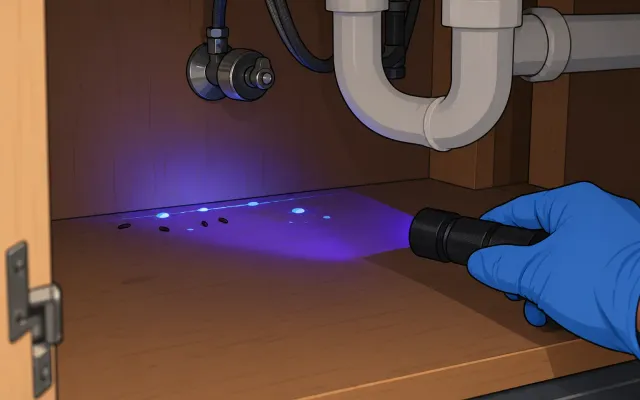
Mouse Urine Smell: How to Find It and Get Rid of It
Mouse urine smells musky and ammonia-like. Find it in cabinets and along baseboards, soak it with disinfectant, wipe it up and never vacuum. About $15 in gloves and bleach.
Updated Oct 5, 2026 · 9 min read
Identify
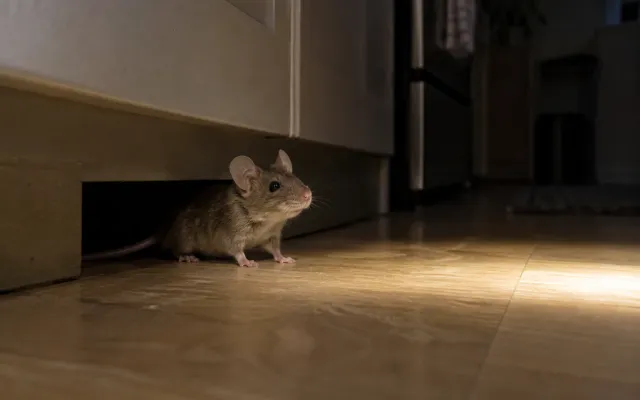
What Do Mice Sound Like? How to Tell Mice From Rats
Mice sound like light scratching, scurrying and gnawing in walls and ceilings at night, with the odd high squeak. Rats are louder. Confirm with droppings, then trap nearby.
Updated Oct 5, 2026 · 8 min read
Costs
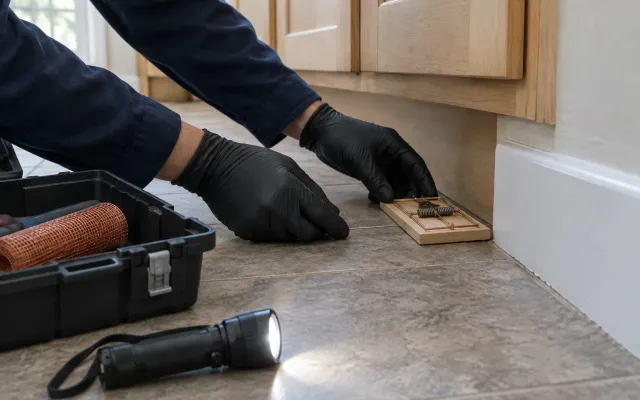
What Do Exterminators Do for Mice? Visits and Red Flags
Exterminators inspect, set traps or bait stations, seal gaps and come back to check. What each visit should include, why traps may be left unset, and the quote red flags.
Updated Oct 5, 2026 · 11 min read
Identify
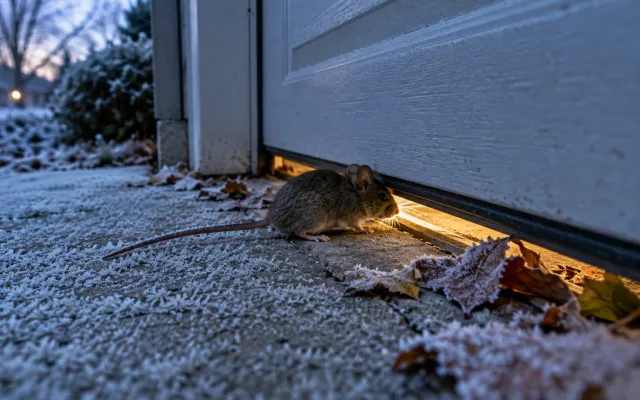
Will Mice Leave on Their Own? Why Cold Keeps Them In
Rarely. A house mouse stays within about 30 feet of its nest, breeds year-round indoors, and cold drives it in, not out. Trapping plus sealing runs about $57–71 in supplies.
Updated Oct 5, 2026 · 8 min read
Identify
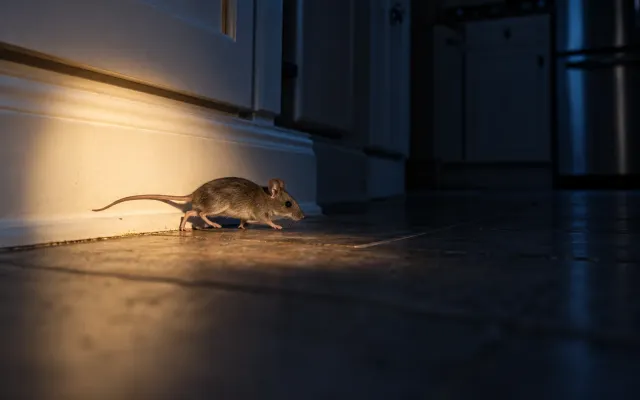
Are Mice Nocturnal? When Mice and Rats Are Most Active
Mostly, yes: house mice peak after dusk and again before dawn, and rats come out at dusk. Set traps before dark and check them each morning. What a daytime sighting means.
Updated Oct 7, 2026 · 9 min read

Identify
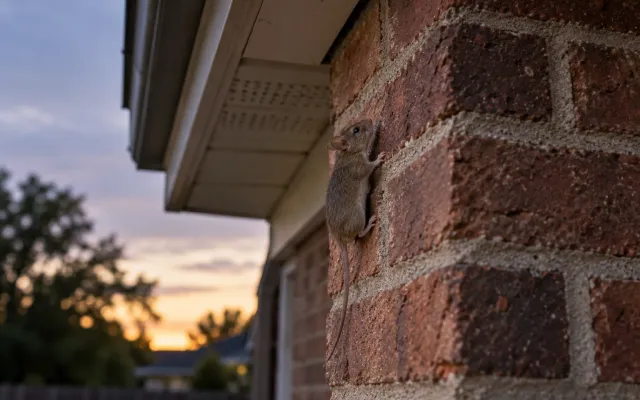
Can Mice Climb Walls? How High Mice and Rats Can Jump
Yes, mice can climb walls: brick, wood, pipes and wires, and they jump about a foot. See what stops them, how rats compare, and which gaps to seal first.
Updated Oct 11, 2026 · 10 min read
Prevention & Sealing
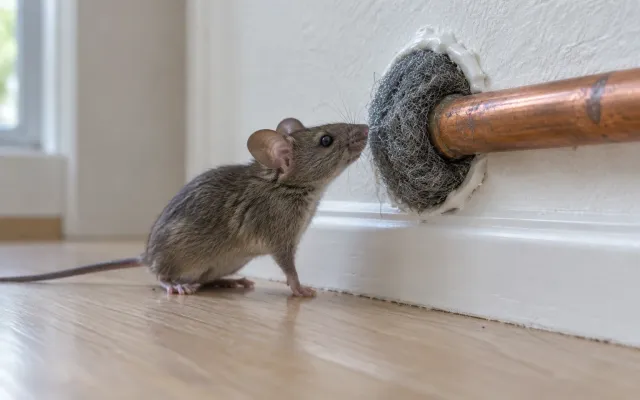
Steel Wool for Mice: Does It Keep Them Out?
Yes, if you pack it tight and caulk over it: mice can’t chew through coarse steel wool, but they push past loose plugs and it rusts. Steel wool plus caulk costs about $11.
Updated Oct 10, 2026 · 10 min read
Get Rid of Pests
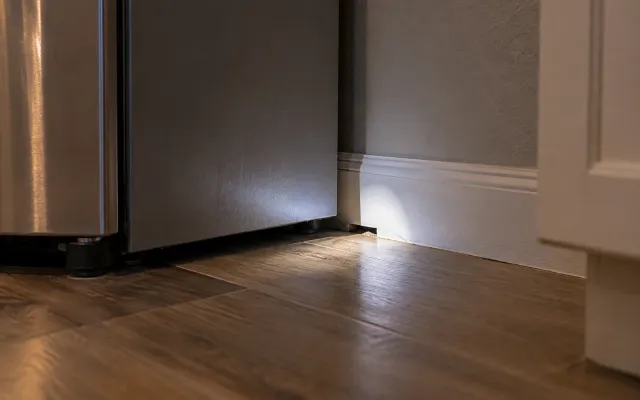
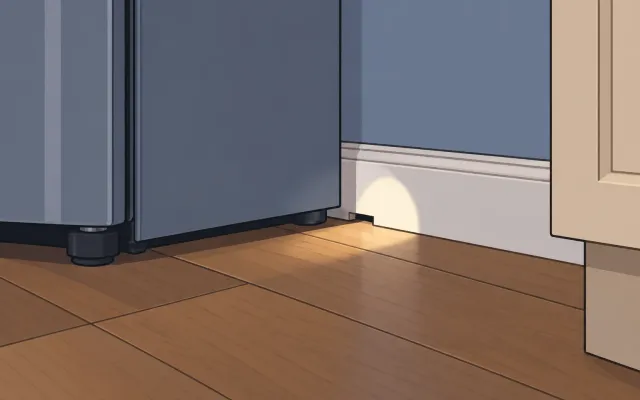
How to Get Rid of Mice in Walls Without Opening the Wall
You don't need to cut the drywall. Trap where the mice come out, seal the outside gaps first, and skip poison so nothing dies inside the wall. About $57–71 in supplies.
Updated Oct 5, 2026 · 9 min read
Get Rid of Pests
Mice or Rats in the Attic? How to Get Rid of Them Yourself
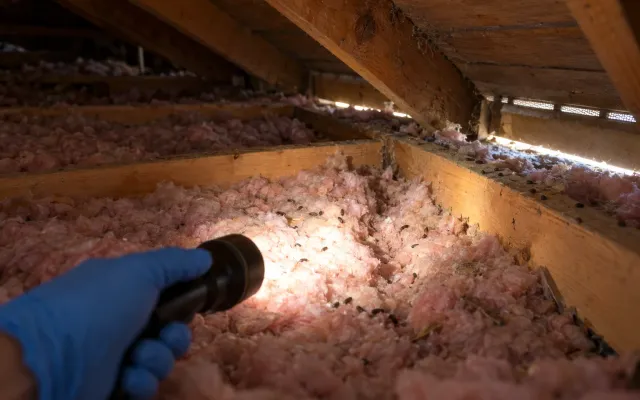
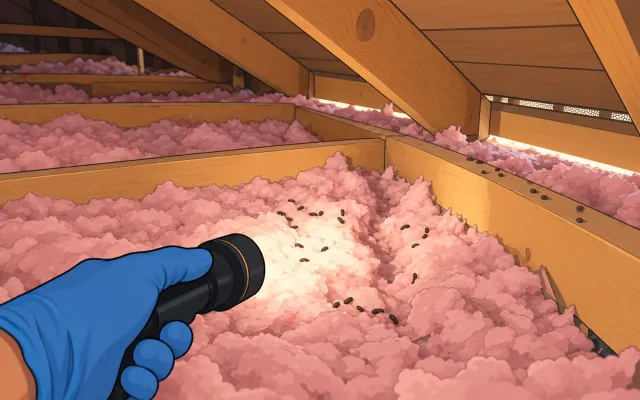
Snap traps along the eaves, metal over every roofline gap and a wet cleanup clear most attics. DIY supplies run about $57–71; shared pro sealing quotes run $1,400–$3,000.
Updated Oct 5, 2026 · 10 min read
Identify
What Do Mice Eat? And How Long Can They Go Without Food?
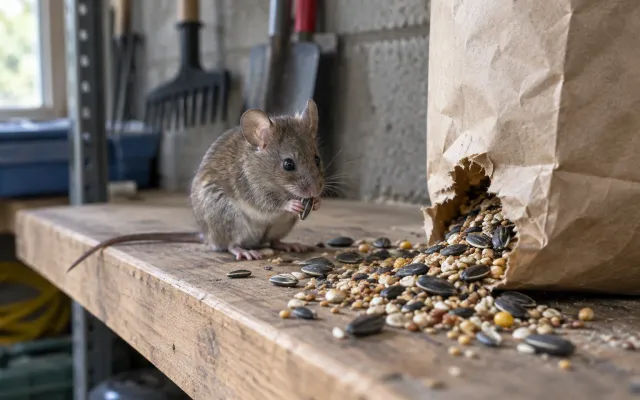
Mice prefer grains and seeds but eat almost anything, only about 1/10 ounce a day, so you can’t starve them out. Store food in glass, metal or thick plastic and trap the rest.
Updated Oct 10, 2026 · 10 min read
Identify the species
Pictures, size and look-alikes in the Pest Library.

Not a rat?
Guides for other pests.
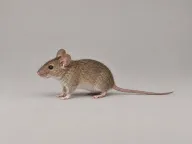
- Mouse Control Guides44 guides

- Pantry Moth Guides2 guides
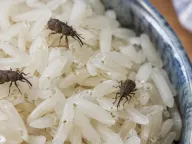
- Pantry Beetle and Weevil Guides2 guides
- Clothes Moth Guides2 guides
- Carpet Beetle Guides6 guides
- Cockroach Guides19 guides
- Silverfish Guides3 guides
- Springtail Guides2 guides
- Fly and Gnat Guides6 guides

- Stink Bug Guides2 guides
- Fall Invader Guides7 guides

Rat questions
How do I know if I have rats or mice?
By size: rat droppings are about ½ to ¾ inch long, while mouse droppings average ¼ inch, like a grain of rice. Rats also leave greasy rub marks along walls and pipes.
What is the best way to get rid of rats?
Seal the gaps they use, then trap with plenty of rat-size snap traps along the walls. The CDC recommends sealing up, trapping up and cleaning up, in that order.
Should I use rat poison?
Not indoors. No rodenticide is safe for pets, poison also harms wildlife, and poisoned rodents can die out of reach inside walls. Snap traps and sealing are safer.