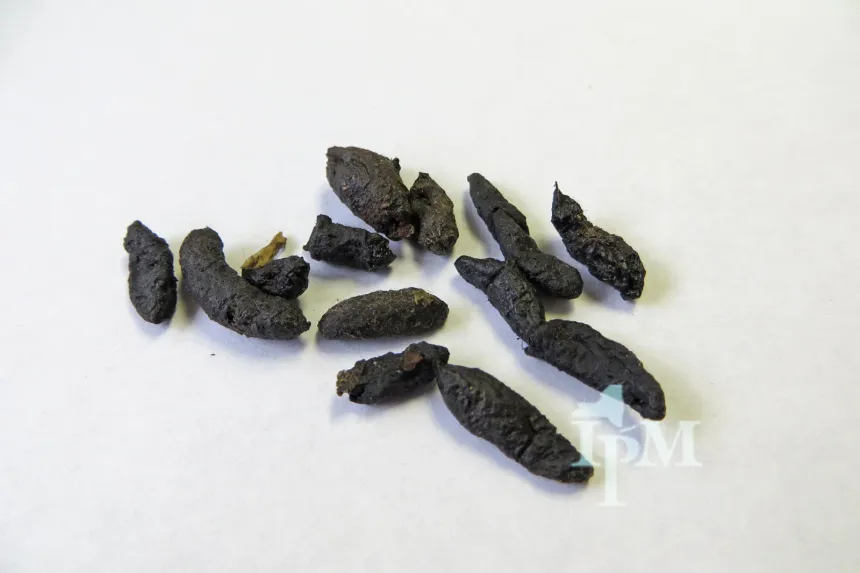
- Size
- From pepper specks to 3/4 in pellets
- Looks like
- Black, brown or the color of the wood eaten
- Where you find it
- Along walls, in drawers and cabinets, under beds, in attics, under wood
- Harmful?
- Rodent and bat droppings can spread disease; don't sweep them dry
- When
- Fresh droppings are dark and moist; old ones are dull and crumble
What to do
Small, dark droppings indoors almost always come from mice, rats or cockroaches; size, shape and where they are tell you which. A mouse dropping is under 1/4 inch, a rat’s is 1/2 inch or more, and cockroach droppings have ridges. The one thing to do: don’t sweep or vacuum them dry, because that puts dust in the air.
This page matches droppings to their likely source, from rodents and roaches to termites and bats, and says how to confirm and clean up. It’s a sorting guide built on CDC, Cornell IPM and UC IPM guidance; a county extension office can confirm a sample.
Whose Droppings Are These? Match Size, Shape and Spot
| Main clue | Size and shape | Where you find them | From |
|---|---|---|---|
| Small black pellets, pointed ends | Under 1/4 in, like rice grains | Drawers, cabinets, along walls, behind appliances | House mouse |
| Large capsule-shaped pellets, blunt ends | About 3/4 in | Along walls, basements, garages | Norway rat |
| Large pellets, pointed and slightly curved | About 1/2 in | Attics, tops of cabinets, rafters | Roof rat |
| Pepper-like specks or brown smears | Tiny; smears on surfaces | Cabinet hinges, corners, near sinks | German cockroach |
| Blunt cylinders with ridges along the sides | About the size of a grain of rice | Basements, drains, laundry rooms | American cockroach |
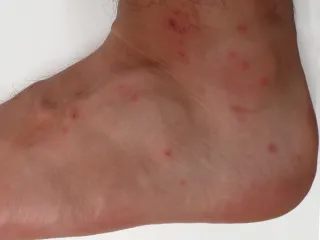
| Dark dots that smear like ink | Pinpoint | Mattress seams, bed frames, sheets | Bed bugs |
| Hard, six-sided pellets in small piles | About 1/32 in, like sand | Windowsills, floors under wood trim or furniture | Drywood termites |
| Coarse “sawdust” mixed with insect parts | Shavings | Under wood, near damp windows and walls | Carpenter ants |
| Dark pellets that crumble to powder with shiny bits | About 1/4–1/2 in | Piles below a roost in attics, on walls under gaps | Bats |
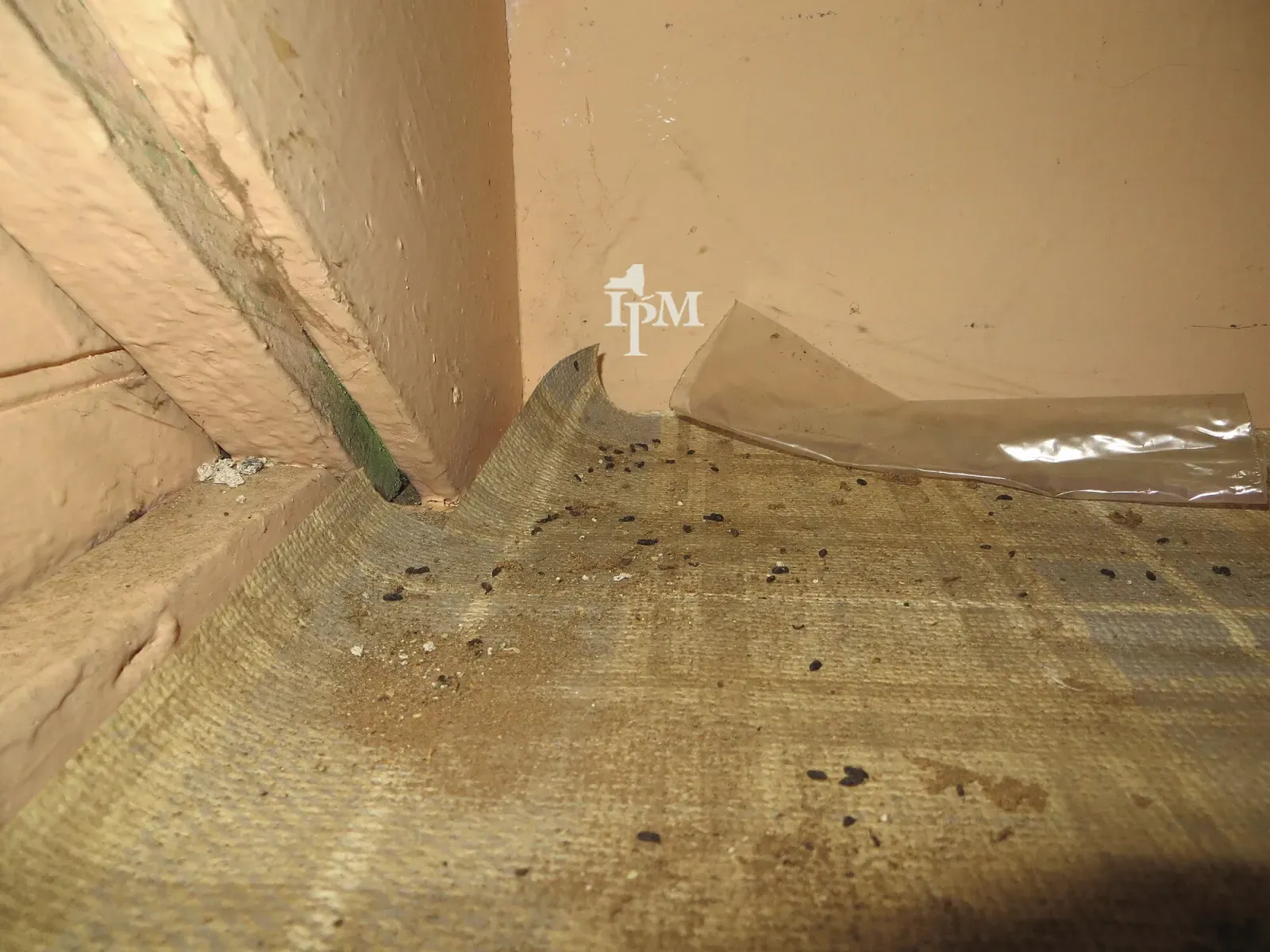
Mouse droppings in a cabinet corner, the way most people first find them. Photo: Matt Frye, New York State IPM Program (CC BY 2.0), via Wikimedia Commons.
Mouse vs. Rat Droppings: Rice Grain or Raisin
Size is the quickest test. Mouse droppings are smaller than a grain of rice; rat droppings are several times bigger. Within rats, Norway rat droppings have blunt ends and roof rat droppings are pointed. Our guide to mouse poop vs. rat poop has photos at scale.
Main clue: smaller than a grain of rice means mice; raisin-size or bigger means rats.
Rodent vs. Cockroach Droppings: Smooth or Ridged
Both can look like small dark specks. Cornell IPM explains the difference: rodent droppings are smooth and often tapered at one end, while cockroach droppings show ridges along their length. Small cockroaches also leave brown smear marks where they rest, which rodents don’t; cockroach poop shows both.
Main clue: smooth and tapered means rodents; ridged along the length, or brown smears, means cockroaches.
Insect “Sawdust” (Frass): Pellets, Shavings or Powder
Frass is the waste and debris wood-boring insects push out. Drywood termites leave tidy piles of hard, six-sided pellets (UC IPM). Carpenter ants push out coarse shavings mixed with dead ant parts. Powderpost beetles leave flour-fine powder below tiny round holes. Subterranean termites don’t leave piles at all; holes in wood helps sort the culprits.
Main clue: six-sided pellets mean drywood termites; shavings with ant parts mean carpenter ants; flour-fine powder means powderpost beetles.
Bat Droppings vs. Mouse Droppings: Crumbly or Hard
Bat droppings collect in piles under where bats roost and crumble into powder with shiny insect fragments when pressed (use a stick, not your fingers). Mouse droppings are hard and stay whole. UC IPM warns never to handle bats or breathe dust from their droppings.
Main clue: droppings that crumble into powder with shiny insect bits mean bats; hard droppings that stay whole mean mice.
How to Confirm Whose Droppings They Are
- Measure one next to a grain of rice or a coin.
- Look at the ends and sides: tapered and smooth means rodents, ridged means cockroaches.
- Note where they are: cabinets and walls, attic rafters, mattress seams or under wood.
- Wipe the area clean and check again in a day or two: new droppings mean the pest is still active.
Fresh droppings are dark and slightly shiny or soft; old ones are dull, gray and crumble.
What to Do Next: Clean Wet, Then Treat the Pest
For rodent droppings, the CDC advises airing out the space, wearing gloves, and soaking droppings with disinfectant or a bleach solution before wiping them up; how to clean mouse droppings has the steps. Large amounts of bat or rodent droppings in attics are best left to a professional. Then open the culprit’s page above for how to deal with it.
What could have caused it
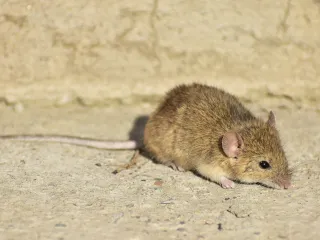 House mouseMus musculusIndoor breeder
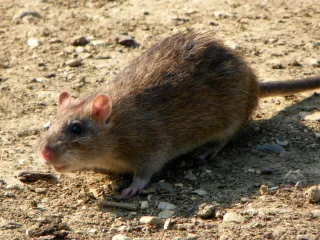 Norway ratRattus norvegicusBurrower
 Roof ratRattus rattusClimber
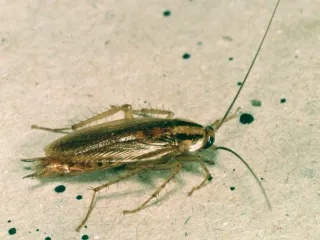 German cockroachBlattella germanicaIndoor breeder
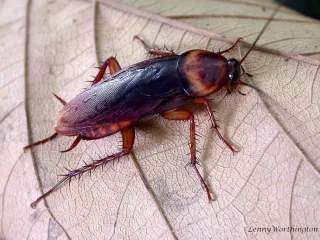 American cockroachPeriplaneta americanaComes in from drains
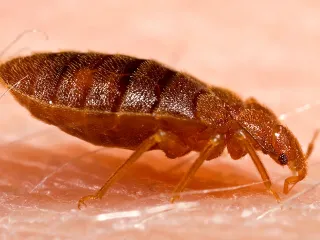 Bed bugCimex lectulariusBites people
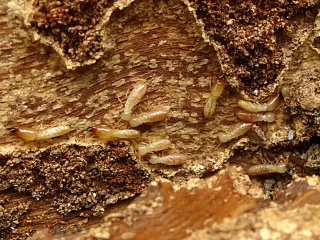 Drywood termiteIncisitermes speciesStructural damage
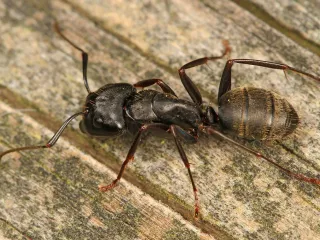 Carpenter antCamponotus speciesDamages wood
Sources
- Identifying Your Pest with Poop (Cornell Integrated Pest Management)
- Clean Up After Rodents (CDC)
- Drywood Termites (UC IPM)
- Carpenter Ants (University of Kentucky Entomology, EF603)
- How to Find Bed Bugs (EPA)
- Bats (UC IPM)
Last reviewed Oct 4, 2026.
.jpg)