- Size
- From 1 mm eggs to 1/2 in larvae
- Looks like
- White, cream, tan or brown
- Where you find it
- Mattress seams, pantry food, closets, drains, trash, plant leaves
- Harmful?
- Depends on the pest; eggs and larvae mean it is breeding
- When
- Year-round indoors; spring and summer outdoors
What to do
Eggs and larvae mean a pest is breeding, not just passing through, and where you found them is the biggest clue. Mattress seams point to bed bugs, food to pantry moths, closets to carpet beetles or clothes moths, drains to drain flies and trash to fly maggots. The one thing to do: photograph them next to a coin and note the exact spot.
This page matches eggs and larvae to the pest that laid them and says how to confirm it. It rests on EPA and UC IPM guidance; a county extension office can identify a sample.
What Laid These Eggs? Start With Where They Are
| Main clue | Size and look | Where | From |
|---|---|---|---|
| Tan, purse-shaped capsule with ridges | About 1/4–3/8 in | Cabinet hinges, corners, carried by females | Cockroaches |
| Pearly white eggs, often in clusters | About 1 mm, pinhead-size | Mattress seams, bed frame cracks | Bed bugs |
| Tiny white ovals like grains of salt | About 0.5 mm | Pet beds, carpets where pets sleep | Fleas |
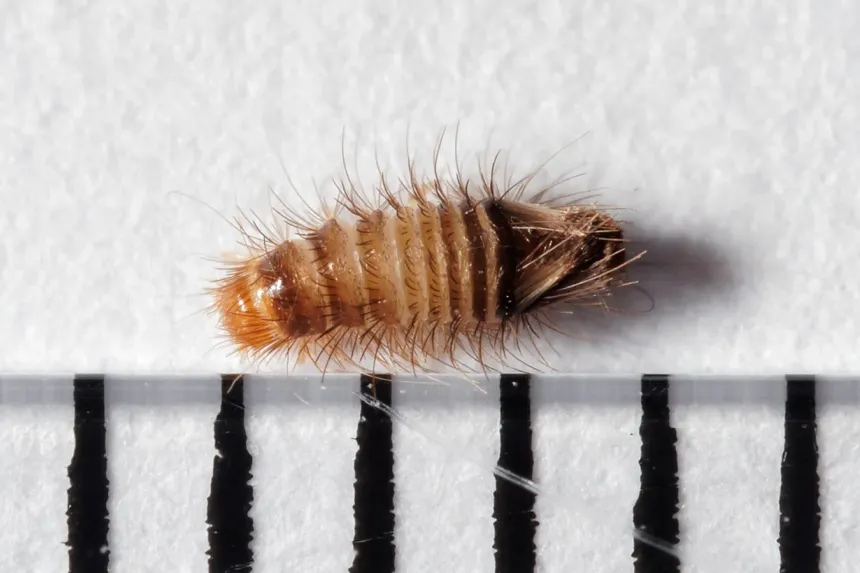
| Fuzzy, banded, carrot-shaped larvae and hollow bristly skins | Up to 1/4 in | Closets, under furniture, carpet edges | Carpet beetles |
| Off-white caterpillars with silk webbing | Up to 1/2 in | Flour, cereal, nuts, birdseed, pet food | Pantry moths |
| Creamy larvae inside silk tubes on fabric | Up to 1/2 in | Wool clothes, rugs | Clothes moths |
| Small, gray, worm-like larvae in slime | Under 1/2 in | Inside drains and overflows | Drain flies |
| Cream-white, legless maggots | Up to 1/2 in | Trash cans, spoiled food, pet waste | House flies |
| Wriggling larvae hanging at the surface | About 1/4 in | Standing water outdoors | Mosquitoes |
| Barrel-shaped, pale green eggs in a neat cluster | Clusters of about 20–30 | Undersides of leaves | Stink bugs |
| Round or teardrop silk ball, white to brown | About 1/4–1/2 in | Webs in corners, garages and basements | Spiders |
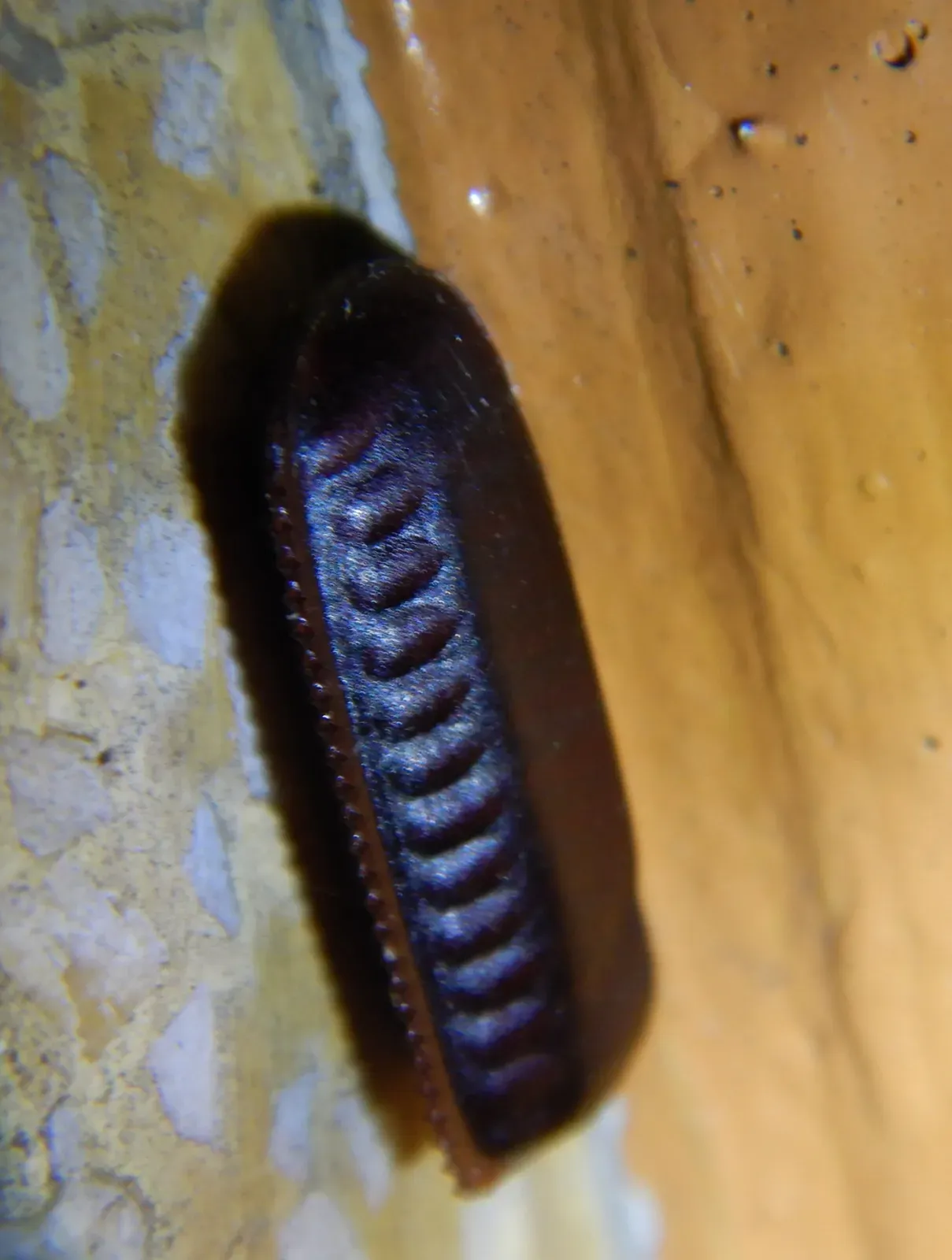
A cockroach egg case glued to a wall: hard, dark brown and ridged along one edge. Photo: KKPCW (CC BY-SA 4.0), via Wikimedia Commons.
Cockroach Egg Cases: A Hard, Ridged Capsule
Cockroaches lay eggs inside a hard capsule called an ootheca. German cockroach females carry it sticking out of the tail end until the eggs are almost ready to hatch; larger cockroaches drop or glue theirs in hidden spots. See cockroach eggs and how to tell a baby cockroach from other small bugs.
Main clue: a tan, ridged, purse-shaped capsule 1/4 to 3/8 inch long near cabinet hinges and corners.
Bed Bug Eggs: Pearly White, Pinhead-Sized
The EPA describes bed bug eggs as tiny, about the size of a pinhead, and pearly white. They’re glued into seams and cracks near where people sleep, along with pale shed skins from the young bugs.
Main clue: pinhead-size pearly white eggs glued into mattress seams or bed frame cracks.
Carpet Beetle Larvae: Hairy, Striped, Shedding Skins
Small, hairy, striped larvae in a closet or under a bed are carpet beetle larvae, sometimes called woolly bears. They shed their skins many times, so hollow bristly skins are often the first thing people find; the signs of carpet beetles guide shows them.
Main clue: fuzzy, banded larvae up to 1/4 inch and hollow bristly skins in closets or along carpet edges.
Flea Eggs and Larvae: Hidden Deep in the Carpet
Flea eggs fall off pets into bedding and carpet. Larvae are thin and white, avoid light and feed on flea droppings, so they hide deep in carpet fibers and under furniture (UC IPM).
Main clue: tiny white ovals like grains of salt where pets sleep.
Food, Drain and Trash Larvae: Webbing, Slime or Maggots
Off-white caterpillars with silk webbing in flour, cereal, nuts, birdseed or pet food are pantry moth larvae. Small gray, worm-like larvae in the slime inside drains and overflows are drain flies. Cream-white, legless maggots in trash cans, spoiled food or pet waste are house fly larvae.
Main clue: silk webbing in food means pantry moths; larvae in drain slime mean drain flies; legless maggots in trash mean house flies.
How to Confirm What Laid Them
- Look with a flashlight and a magnifier, and take a close-up photo next to a coin for scale.
- Note exactly where they were: seam, shelf, drain, carpet or leaf.
- Bag a few in a sealed bag or jar and have them identified by a county extension office.
What to Do Next: Treat the Breeding Spot
Eggs mean the source is close by. Open the pest’s page in the table for what to do; for food pests, how to get rid of pantry moths starts with throwing out the infested package.
What could have caused it
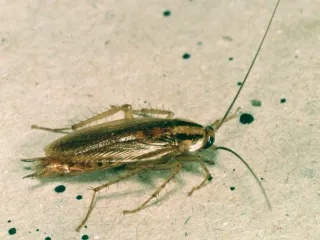 German cockroachBlattella germanicaIndoor breeder
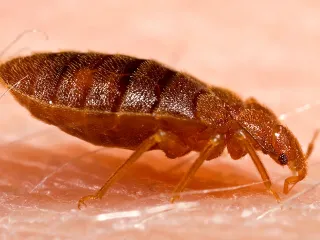 Bed bugCimex lectulariusBites people
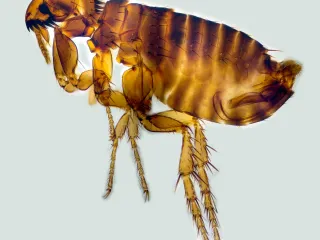 Cat fleaCtenocephalides felisBites people and pets
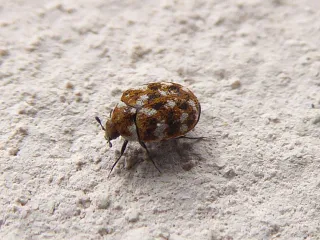 Varied carpet beetleAnthrenus verbasciFabric pest
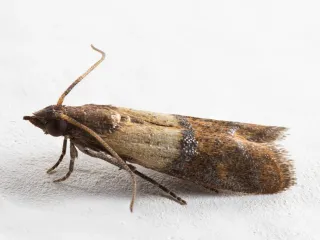 Indian meal mothPlodia interpunctellaPantry pest
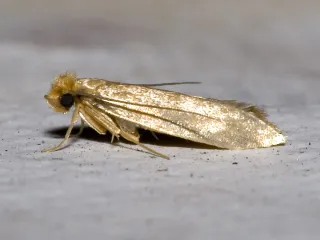 Webbing clothes mothTineola bisselliellaFabric pest
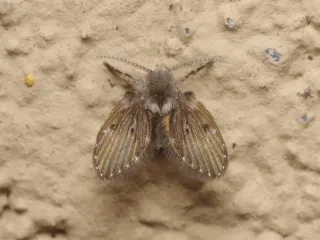 Drain flyPsychodidae (family)Drain breeder
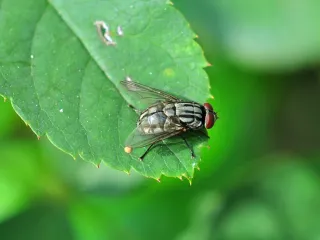 House flyMusca domesticaCarries germs
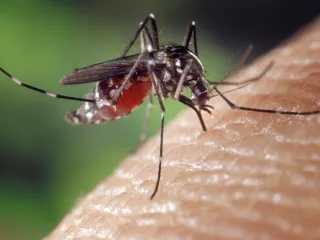 MosquitoCulicidae (family)Spreads disease
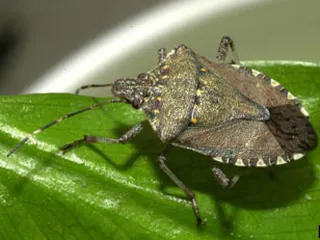 Brown marmorated stink bugHalyomorpha halysFall invader
Sources
- Bed Bugs: Appearance and Life Cycle (EPA)
- Cockroach Elimination in Homes and Apartments (University of Kentucky Entomology, EF614)
- Fleas (UC IPM)
- Carpet Beetles (University of Kentucky Entomology, EF601)
- Stored Product Pests in the Pantry (University of Kentucky Entomology, EF612)
- Drain Flies or Moth Flies (University of Kentucky Entomology, EF615)
- Tips for Dealing with Brown Marmorated Stink Bugs (University of Maryland Extension)
Last reviewed Oct 10, 2026.
.jpg)